Skip to product information
1 of 4

SKU: 51045 | HAN: H1 | GTIN: 6974926440414

Unitree

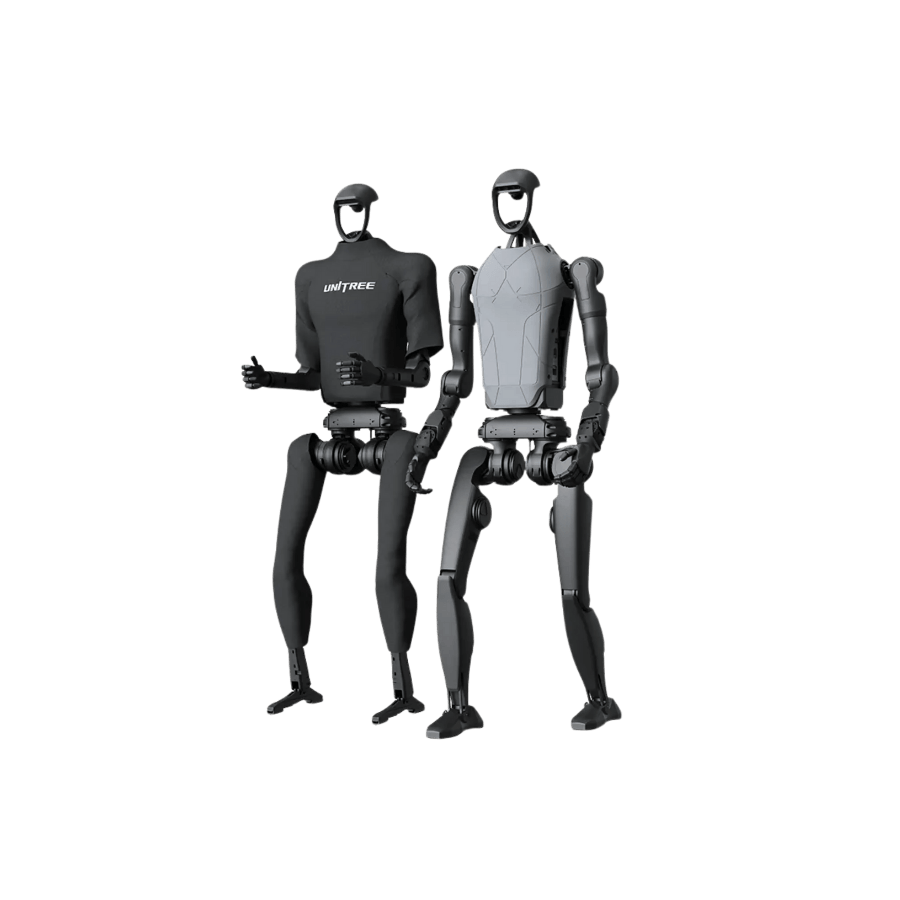
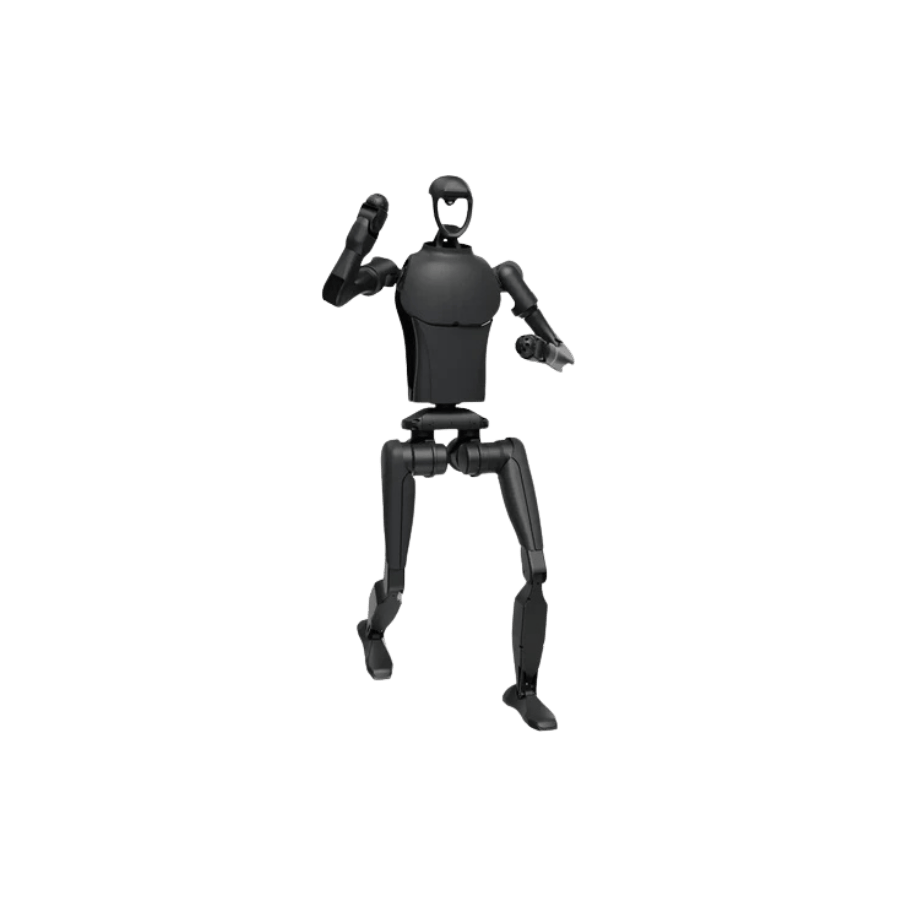
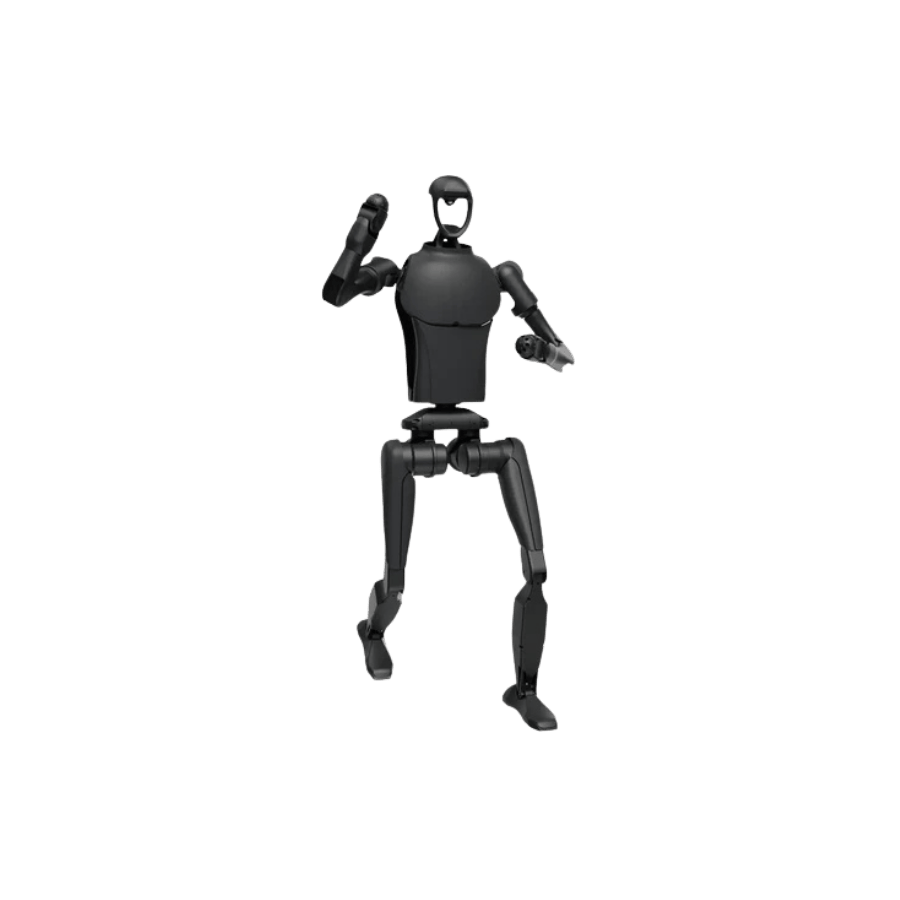
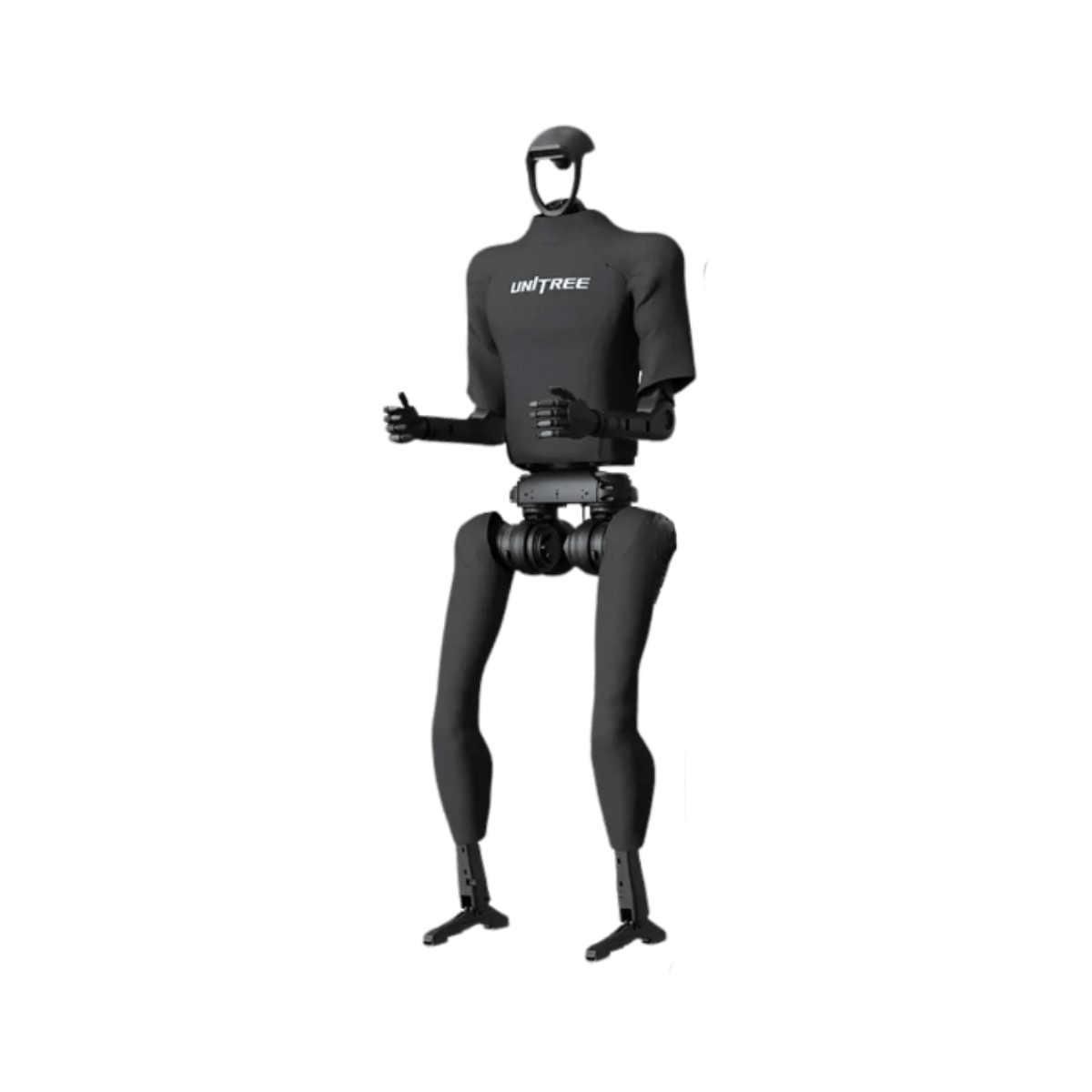
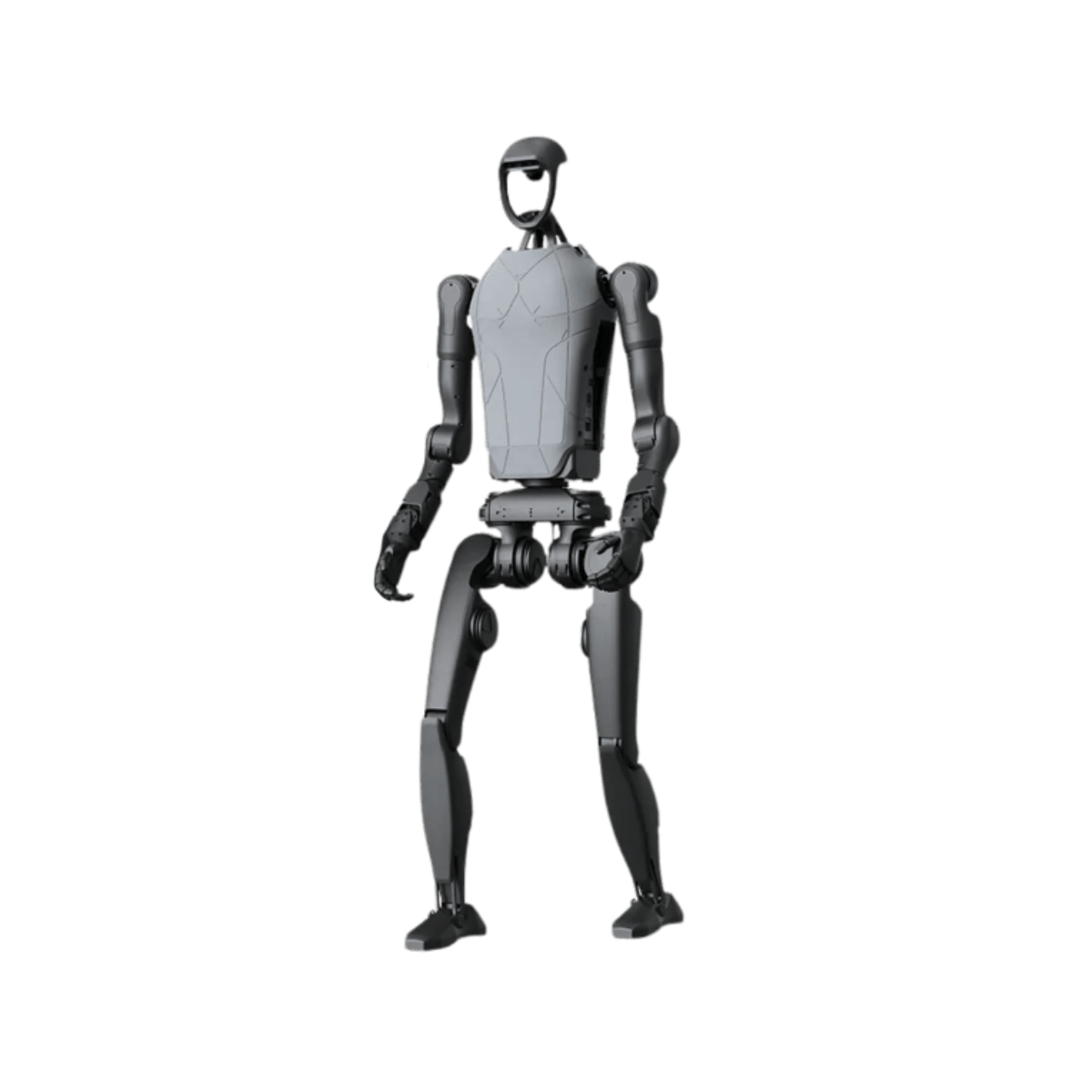
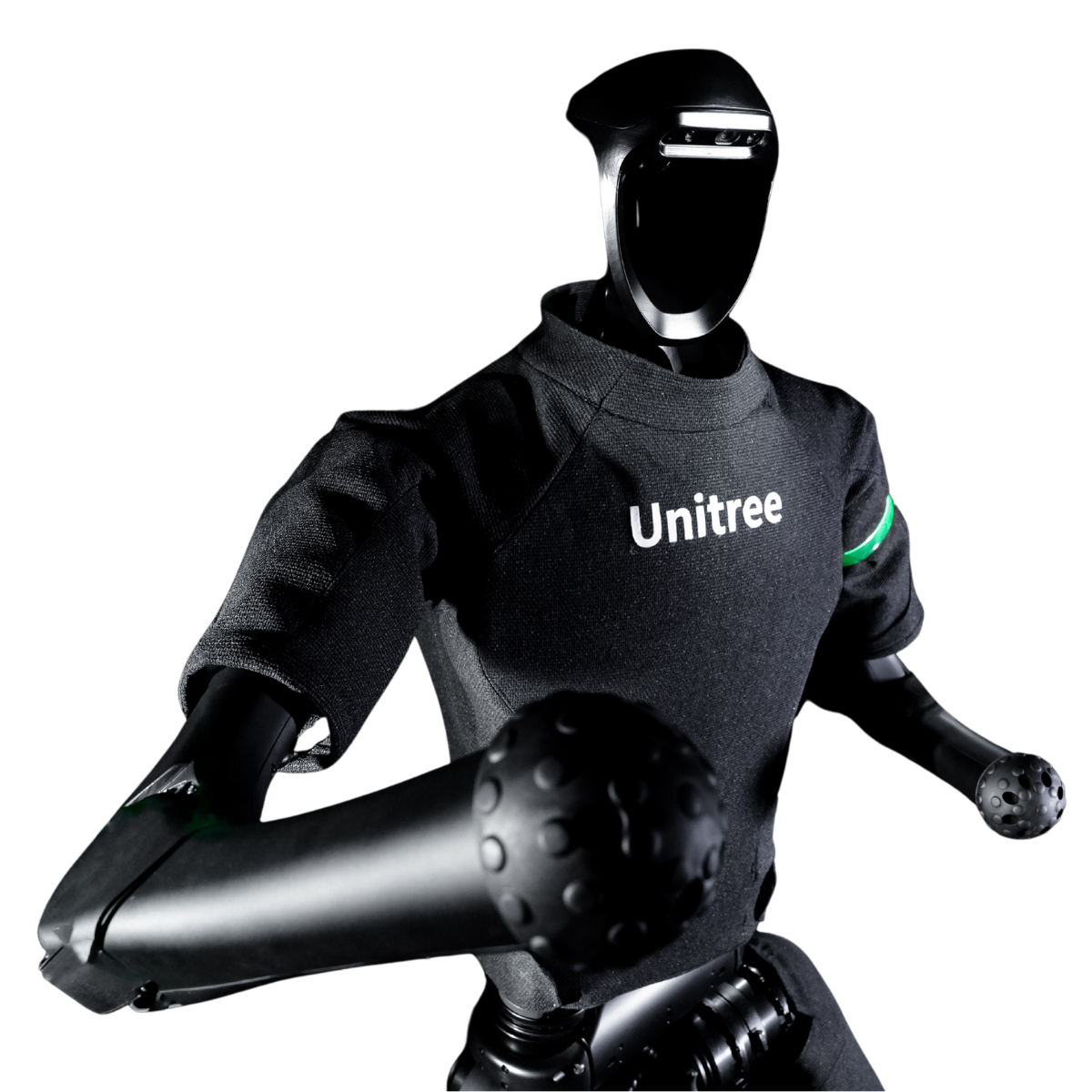
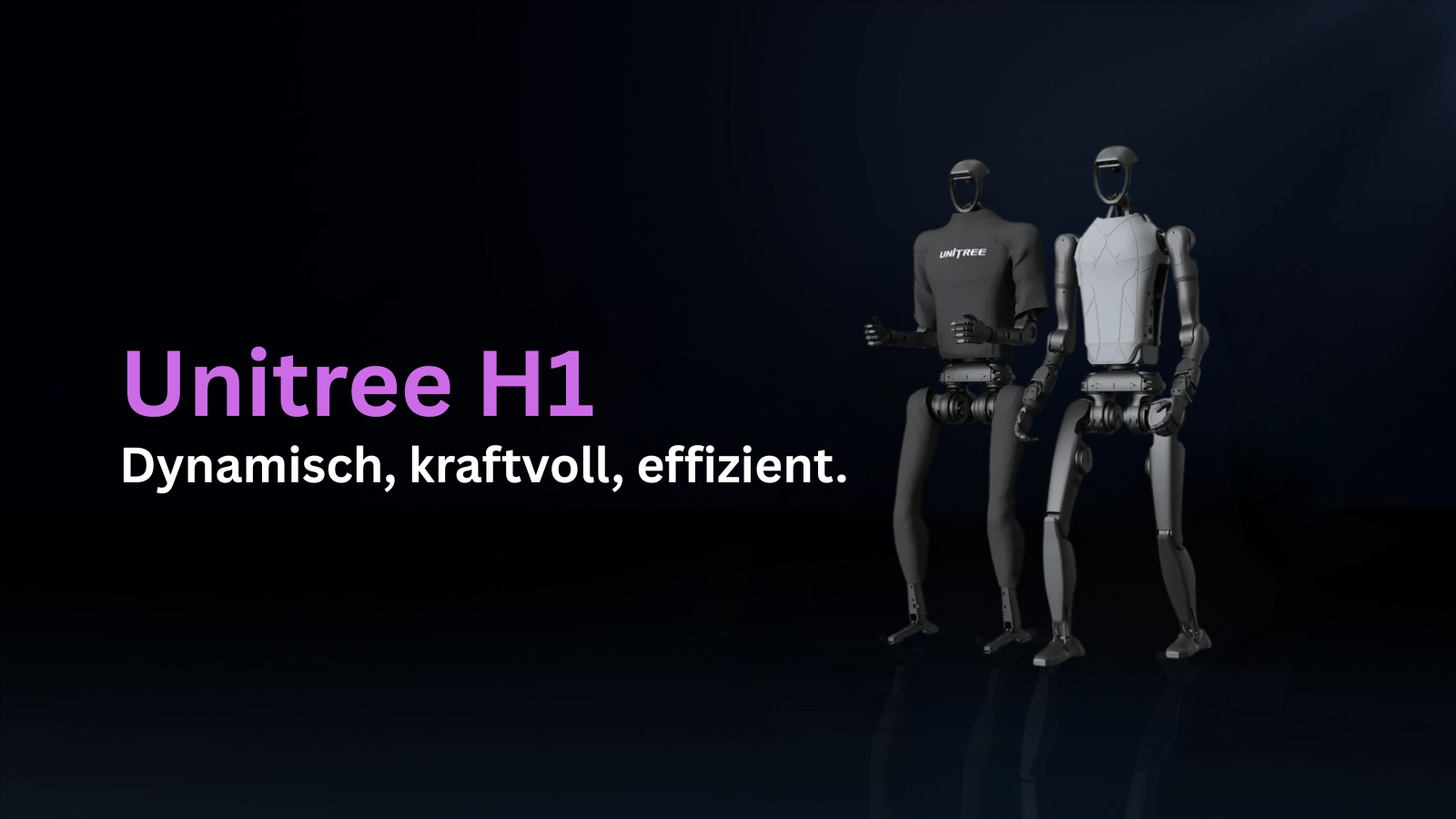
Unitree H-Series Humanoid Robot

Unitree H-Series Humanoid Robot

RRP
Regular price €89.000,00 EUR
Regular price €89.000,00 EUR Sale price €89.000,00 EUR
Sale Sold out

excl. VAT

Leasing enquiry

Company details

Contact person

Product Safety Information

Hangzhou Yushu Technology Co., Ltd.
https://www.unitree.com/
sales_zty@unitree.com

Building 1, No. 88 Dongliu Road 88
Room 306, Hangzhou
China

View full details

Pricing Models

Select the appropriate model

Compare options clearly, quickly, and without the fine print. Our recommendation is highlighted.

Leasing

Price on request

Flexible financing

Inclusive

  • Implementation consulting
  • Flexible terms available
  • Personalized leasing consultation
  • Liquidity is maintained
  • Including technical support
  • Maintenance contract available as an add-on
  • Training for your team
  • On-site installation available
  • Predictable monthly installments
  • Minimum term 3 years
Our recommendation

Purchase

€89.000

Lowest price

Inclusive

  • Implementation consulting
  • Personal contact person
  • Robot becomes your property
  • Technical support available
  • Staff training
  • Maintenance contract available as an add-on
  • Manufacturer's warranty
  • Short delivery times

Project Request

Price on request

Flexible terms

Inclusive

  • Implementation consulting
  • Full service mandatory
  • Personal consultation included
  • Flexible Payment Models
  • Technical support available
  • Planning security for projects
  • On-site staff training
  • Short delivery times
  • Efficiency increase
  • Scalable

ㅤ

Product details

Switch between the tabs to view content.

Areas of application
Intralogistics & Warehousing

Intralogistics & Warehousing

Transports crates, supports order picking, and reduces walking distances in warehouse and shipping zones.

Production & Assembly

Production & Assembly

Support for assembly lines: handing over parts, bringing tools, performing simple manual tasks, and stabilizing the cycle.

Quality Inspection & Industry 4.0

Quality Inspection & Industry 4.0

Visual checks, documentation, and measurement data acquisition directly at the process – for stable quality and traceability.

Facility Management & Service

Facility Management & Service

Rounds, errands, material transport, and maintenance support – efficient in buildings and on premises.

Unitree H1 humanoider Roboter bei der technischen Analyse und Prozessplanung in einer Industrieumgebung.

Retail & Showroom

Greets customers, guides them to products, explains features, and delivers a wow effect as an interactive brand ambassador.

Unitree H1 humanoider Roboter bei einer Produktdemonstration in einem modernen Robotik-Showroom.

Research & Education

Ideal for AI, motion and interaction research, as well as testing in realistic scenarios and training.

  • Unitree H1

    (Standard sensors)

  • Unitree H1-2

    (Expanded with 360° coverage)

Product Specification

Unitree H1

Dimensions: 1700mm
Weight: approx. 47 kg
Number of axes: 23 DOF (combined arms & legs)
Max. running speed: approx. 3.3 m/s
Max. jump height: approx. 0.65 m
Battery: approx. 864 Wh (hot-swap)
Runtime: 2.5 – 3.5 h
Charging time: approx. 1.5 h
Sensors: 3D LiDAR + depth camera + IMU
Manipulation: 4 DOF arms with basic grippers
Computing: Onboard CPU (expandable)
Protection level: IP54 standard
Temperature range: –10 °C to +45 °C

Unitree H1-2

Dimensions: similar to H1 (approx. 1700 mm height)
Weight: approx. 70 kg (due to additional hardware)
Number of axes: up to 30+ DOF (extended arms & legs)
Max. running speed: approx. 2.0–2.5 m/s (priority on stability and manipulation)
Max. jump height: approx. 0.4 m (adjusted for safety given the weight)
Battery: 864 Wh (hot swap) with extended power reserve
Runtime: 2 – 3 h
Charging time: approx. 1.5 h
Sensors: 3D LiDAR + depth camera + additional sensor modules
Manipulation: 7 DOF arms with full-wrist joint, optional Dex-hands
Computing: Dual-CPU architecture possible, expandable with AI modules
Protection level: IP54 standard (optional measures for harsh environments)
Temperature range: –10 °C to +45 °C

Intelligent mobility with AI support

The Unitree H1 combines state-of-the-art AI algorithms with precise motion control and advanced sensor technology. Thanks to integrated 3D LiDAR sensors and depth cameras, the humanoid robot detects its surroundings in real time and reacts dynamically to obstacles, surfaces, and movement patterns. The sophisticated balance and gait drive system enables stable, natural movement at speeds of up to 3.3 m/s – regardless of whether on level ground or uneven surfaces.

Autonomous Navigation & Environmental Perception

With high-resolution 360° environmental sensing and precise depth perception, the H1 models analyze rooms, objects, and movements with impressive accuracy.
The system generates a dynamic environmental map in real time that reacts independently to changes – ideal for adaptive navigation, human-robot interaction, and research. The H1-2 variant utilizes an advanced LiDAR matrix with six sensors and a powerful NVIDIA Jetson Orin NX module (100 TOPS), which supports data-intensive applications in real time.

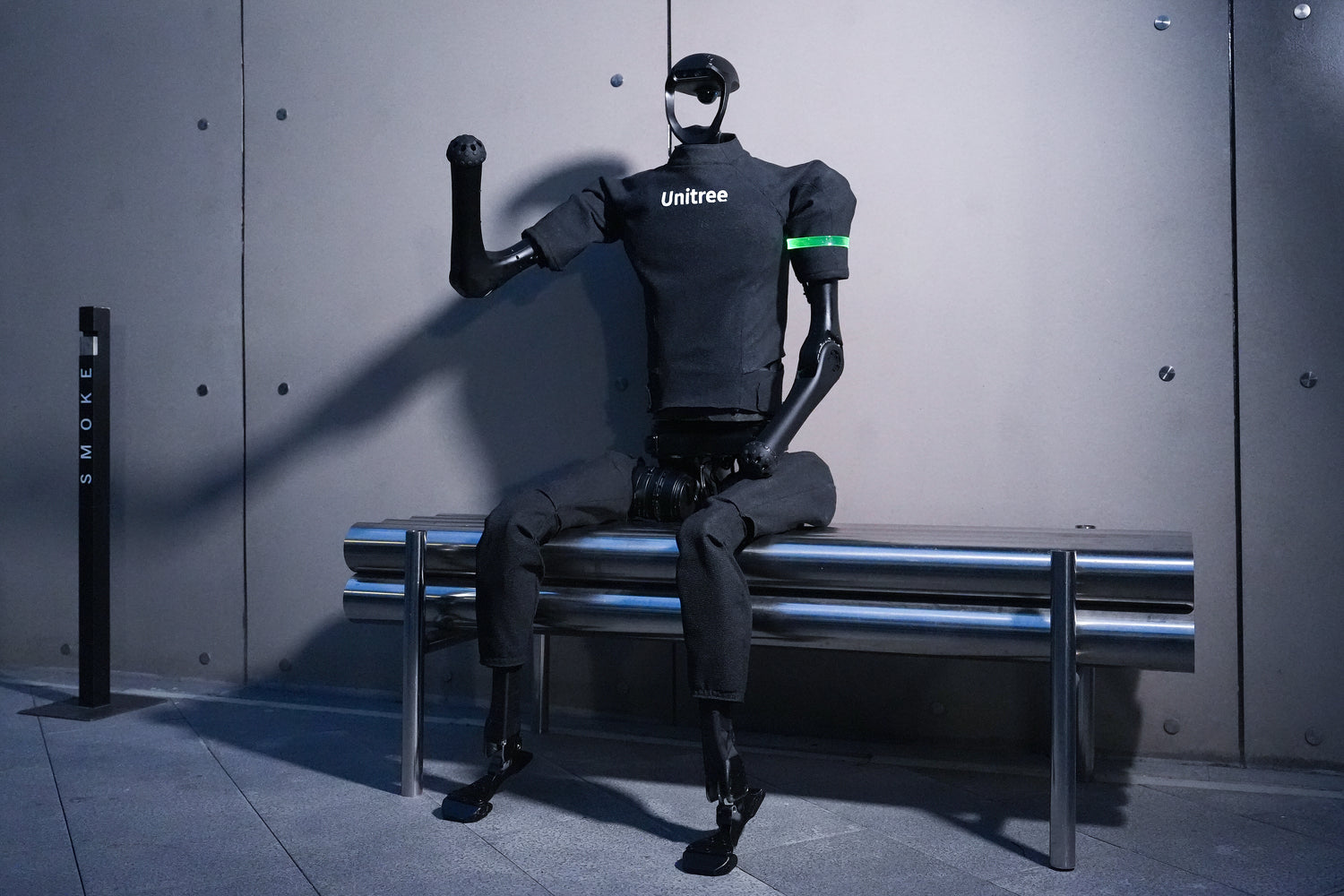
Humanoider Unitree H1 Roboter sitzt auf Metallbank in moderner Umgebung im Innenbereich

Advanced Research Platform & Secondary Development

The Unitree H1-2 is not just a humanoid robot, but a modular development platform for robotics, AI, and motion research. Open SDKs, ROS integration, and a flexible API structure allow for maximum freedom in algorithm and motion development.

Precise. Intelligent. Autonomous.

The Unitree H1 combines state-of-the-art AI control, precise motion algorithms, and adaptive sensor technology into a humanoid system that enables natural, fluid movements.

Thanks to advanced LiDAR detection, depth cameras, and real-time data fusion, the H1 navigates complex environments safely—from research laboratories to industrial test sites.

The H1-2 expands these capabilities with improved joint flexibility and more sensitive control. This allows it to execute even more realistic motion sequences, grasping actions, and interactions with objects or humans with precision.

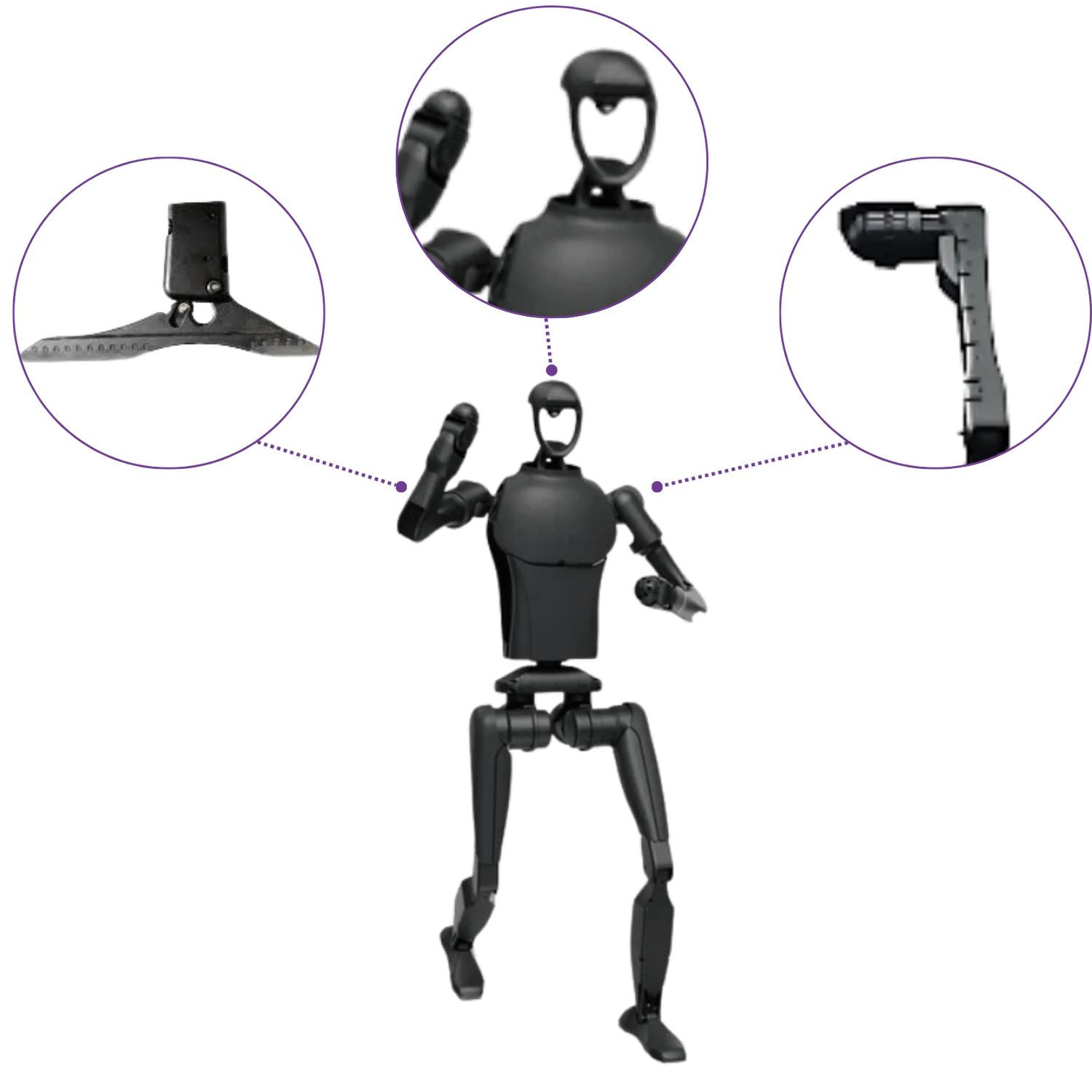
  • Precise motion control

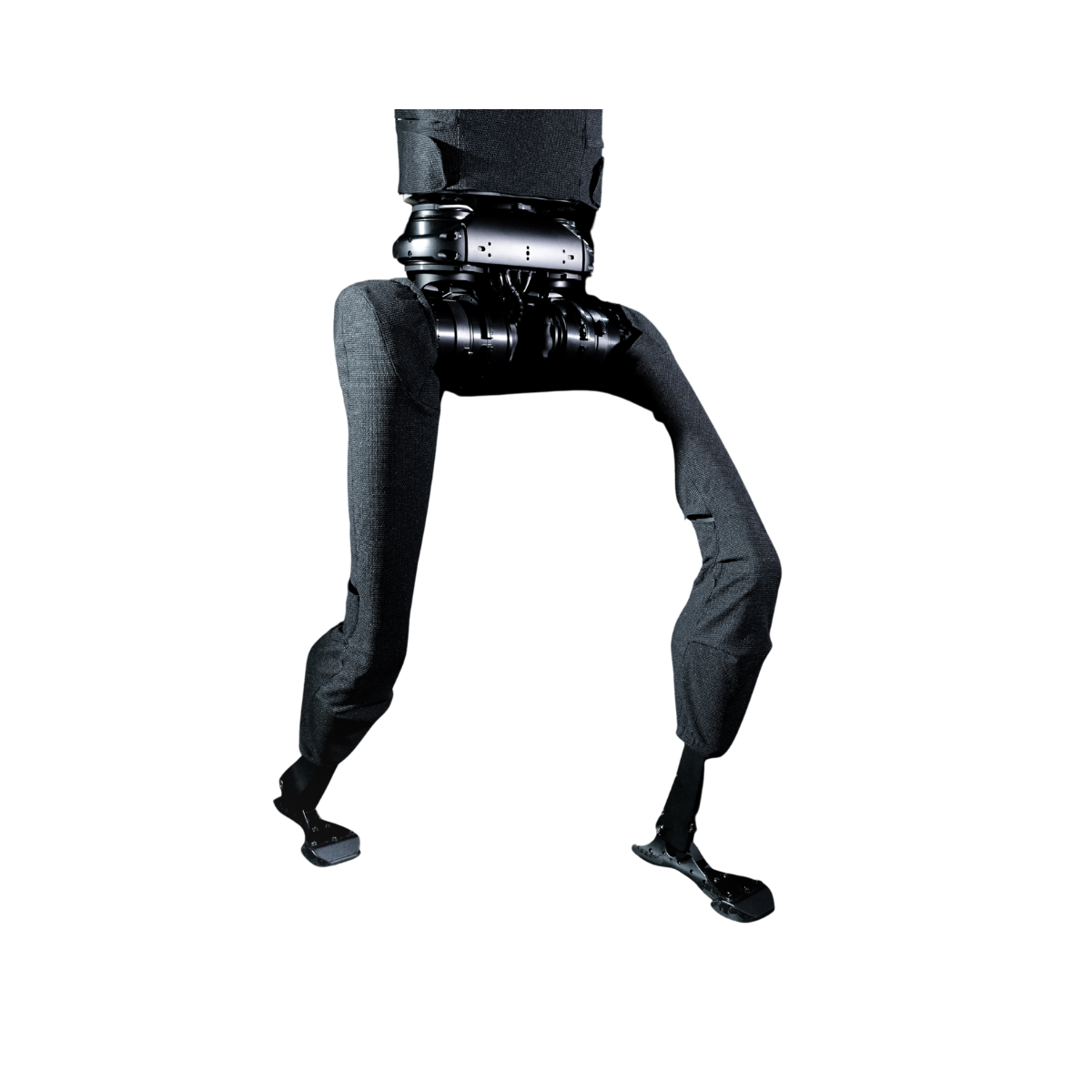
    23 high-performance servo motors ensure fluid, stable movements – natural and human-like.

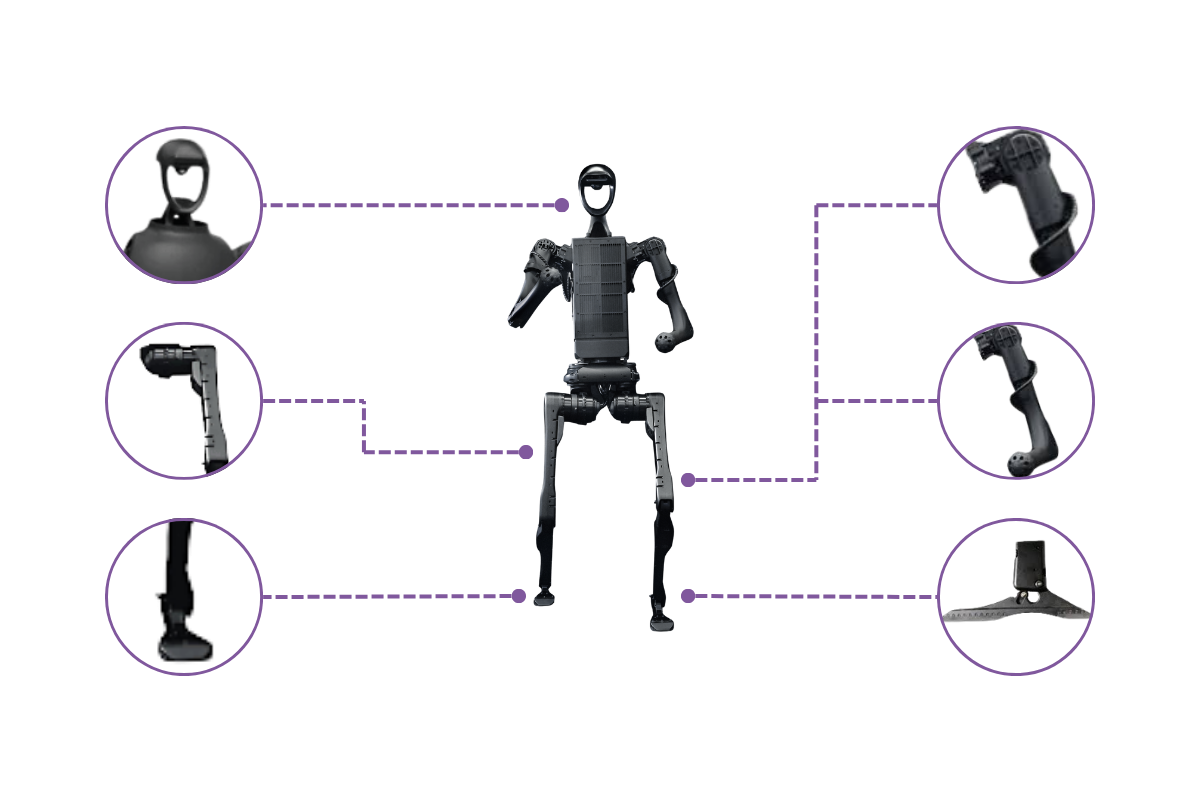
  • Modular design

    Arms, legs, and head are flexibly interchangeable and can be individually configured for research purposes.

  • Advanced Sensor Technology

    LiDAR and depth cameras detect the environment and objects in real time – for safe navigation and interaction.

  • Interchangeable arms

    Compatible with various gripping and manipulation modules, ideal for learning and testing applications.

  • Automatic charging

    With the optional docking station, the H1 charges independently – ideal for continuous use in laboratories.

  • Quiet & Efficient

    Low-noise operation below 60 dB – perfect for research, education, and human-robot interaction.

Unitree H1 & H1-2 AI-powered robotics

The H1 is a high-performance, autonomous humanoid robot for practical applications in research, industry, and education. With precise sensors, adaptive control, and a robust design, it masters complex movements and environments with ease.

The H1-2 is specifically aimed at developers and universities. Through open SDKs, ROS integration, and modular interfaces, it offers maximum freedom in the development of new motion algorithms, learning systems, and AI experiments.

Frequently Asked Questions

For which areas of application is the Unitree H-Series suitable?

The Unitree H-Series is suitable for research, university development, AI robotics, industrial development, service robotics, simulation, motion analysis, demonstrations, showrooms, and controlled test environments. Terra Robotics positions the Unitree H1 and Unitree H1-2 specifically for professional users who wish to test and develop humanoid robotics in realistic settings or use them as a platform for autonomous navigation, manipulation, and human-robot interaction.

What is the difference between the Unitree H1 and the Unitree H1-2?

The Unitree H1 is designed more for high mobility, dynamic locomotion, and fast bipedal movement. The Unitree H1-2 places greater emphasis on stability, advanced sensor technology, more degrees of freedom, longer arms, and better manipulation capabilities. The H1 is particularly interesting for research into movement and navigation, while the H1-2 may be better suited for AI workloads, sensor fusion, grasping actions, and more complex development projects.

What is the Unitree H1?

The Unitree H1 is a humanoid robot from Unitree for professional robotics, AI, and development projects. It combines bipedal locomotion, precise motion control, 3D LiDAR, depth camera, IMU, hot-swap battery, and expandable computing power. Terra Robotics particularly recommends the Unitree H1 for research, industrial prototypes, motion analysis, autonomous navigation, and demonstration scenarios.

What is the Unitree H1-2?

The Unitree H1-2 is the advanced variant of the Unitree H-series and is designed as a modular development platform for robotics, AI, and motion research. Compared to the H1, the H1-2 offers greater joint freedom, extended arms, additional sensors, improved manipulation capabilities, and optional AI computing modules. This makes it particularly suitable for universities, research laboratories, and development teams with demanding AI and interaction projects.

Which technical specifications are particularly important for the Unitree H1?

According to Terra Robotics, the Unitree H1 has a height of approx. 1700 mm, a weight of approx. 47 kg, 23 DOF, a maximum running speed of approx. 3.3 m/s, a maximum jump height of approx. 0.65 m, an approx. 864 Wh hot-swap battery, 2.5 to 3.5 hours of runtime, an approx. 1.5-hour charging time, 3D LiDAR, depth camera, IMU, IP54 standard, and a temperature range of −10 °C to +45 °C.

Unitree H-Series: humanoid robot for industrial development, AI robotics and research

The Unitree H-Series represents a powerful class of humanoid robots designed not only to demonstrate human-like movement but to serve as a robust platform for AI-powered robotics, autonomous navigation, and practical prototypes. Humanoid robots become particularly interesting in research labs, universities, and industrial development environments when real-world settings need to be tested: varying floor surfaces, narrow passages, unpredictable obstacles, and dynamic interactions with people or objects.

With the Unitree H1 and Unitree H1-2 variants, the H-Series offers a scalable foundation—ranging from a powerful entry into industrial humanoid robotics to an advanced development platform for demanding perception, manipulation, and data-intensive AI workloads.

H-Series variants: Unitree H1 and Unitree H1-2 in direct profile

The H-Series is available in two main versions, which differ primarily in terms of sensor technology, computing power, manipulation capability, and system weight. This is important for SEO and user guidance, as many visitors specifically search for “H1 vs. H1-2” to choose the appropriate humanoid robot for their project.

Unitree H1: powerful standard platform with a focus on mobility

The Unitree H1 is designed for dynamic locomotion, stable balance, and reliable environmental perception. It is particularly suitable for robotics testing, motion research, autonomous navigation, and initial industrial prototypes where reproducible walking and interaction scenarios are the priority.

Unitree H1-2: extended platform for 360° perception, manipulation, and AI workloads

The Unitree H1-2 expands the setup in the direction of a "development and research platform": stronger environmental perception, additional sensor modules, and more degrees of freedom for more realistic movements and finer manipulation. This makes the H1-2 interesting for universities, developer teams, and labs looking to implement autonomous robotics, sensor fusion, human-robot interaction, or AI experiments with higher computational requirements.

Technical specifications: Key data that counts for project planning and comparability

For research and industry, predictability is crucial. The Unitree H-Series provides clear technical key data that corresponds to typical search terms such as “Unitree H1 specifications,” “humanoid robot 23 DOF,” “Jetson Orin NX 100 TOPS robot,” or “IP54 humanoid robot.”

Unitree H1 – typical core values

  • Height: approx. 1700 mm
  • Weight: approx. 47 kg
  • Degrees of freedom: 23 DOF (arms & legs combined)
  • Max. walking speed: approx. 3.3 m/s
  • Max. jump height: approx. 0.65 m
  • Battery: approx. 864 Wh (hot-swap)
  • Runtime: approx. 2.5–3.5 hours
  • Charging time: approx. 1.5 hours
  • Sensors: 3D LiDAR, depth camera, IMU
  • Manipulation: 4 DOF arms with basic grippers
  • Protection class: IP54 (standard)
  • Temperature range: −10 °C to +45 °C

Unitree H1-2 – typical core values (extended setup)

  • Height: similar to H1 (approx. 1700 mm)
  • Weight: approx. 70 kg (additional hardware)
  • Degrees of freedom: up to 30+ DOF (arms & legs expanded)
  • Max. walking speed: approx. 2.0–2.5 m/s (focus on stability/manipulation)
  • Max. jump height: approx. 0.4 m
  • Battery: 864 Wh (hot-swap) with extended power reserve
  • Runtime: approx. 2–3 hours
  • Sensors: 3D LiDAR, depth camera, additional sensor modules
  • Manipulation: 7 DOF arms with full-wrist joint, optional dexterous hands
  • Computing platform: expandable, optionally with NVIDIA Jetson Orin NX (100 TOPS)
  • Protection class: IP54 (standard)
  • Temperature range: −10 °C to +45 °C

Note: Values may vary depending on configuration – the specific model profile should always be consulted for project proposals and specific setups.

Intelligent mobility: bipedal locomotion with AI support

The core benefit of the H-Series lies in its human-like mobility, which remains reliable in real-world test environments. The combination of a balance and gait drive system, sensor fusion, and AI-supported motion control enables stable walking sequences even when the terrain is not perfect. This is crucial for robotics research because experiments are only meaningful if movements are repeatable and measurable.

The Unitree H1 particularly addresses application fields such as gait optimization, whole-body control, disturbance robustness, and dynamic navigation. The H1-2 complements these strengths when manipulation and finer body control are more in the foreground—for example, during gripping actions, interaction with objects, or more complex movement patterns that require more joint freedom.

Autonomous navigation & 360° environmental perception: perception as the basis for robust autonomy

Modern humanoid robotics stands or falls with perception. The H-Series uses 3D LiDAR, depth cameras, and IMU to capture rooms, objects, and movements in real time. This creates the foundation for autonomous navigation, obstacle avoidance, and dynamic environmental models. For many projects, this real-time perception is the decisive step in moving from "demo" to "functional autonomy."

With the H1-2, the focus is particularly on extended perception: more sensors and higher computing power support data-intensive workflows such as sensor fusion, AI inference, semantic maps, or adaptive navigation. This makes the platform attractive for embodied AI, reinforcement learning (in real environments), sim-to-real validation, and demanding human-robot interaction.

Manipulation, modularity, and development capability: platform instead of a single solution

The H-Series is not just a humanoid robot, but a modular development base. Interchangeable components, configurable arms, and the option for various gripping and manipulation modules make it easier to adapt the robot to specific research or industrial questions. This is important for developer teams: instead of "working around" a system, the platform can be actively expanded.

The H1 covers basic manipulation and interaction scenarios. The H1-2 goes one step further: 7 DOF arms, a full-wrist joint, and optional dexterous hands enable more precise gripping actions, finer object interaction, and more realistic tests in application areas such as handling, mobile manipulation, or assistance processes.

Relevant for daily lab life: an optional docking station can support automatic charging. In addition, quiet operation (under 60 dB) is particularly advantageous when the humanoid robot is operated indoors, in teaching environments, or together with teams.