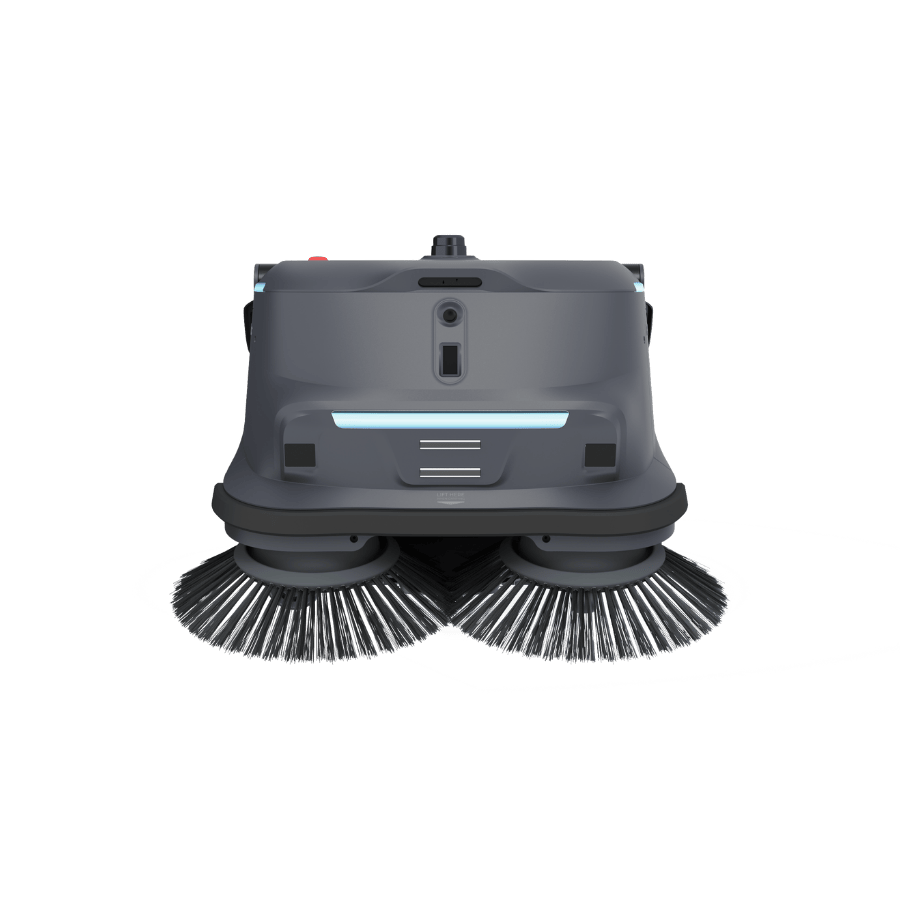
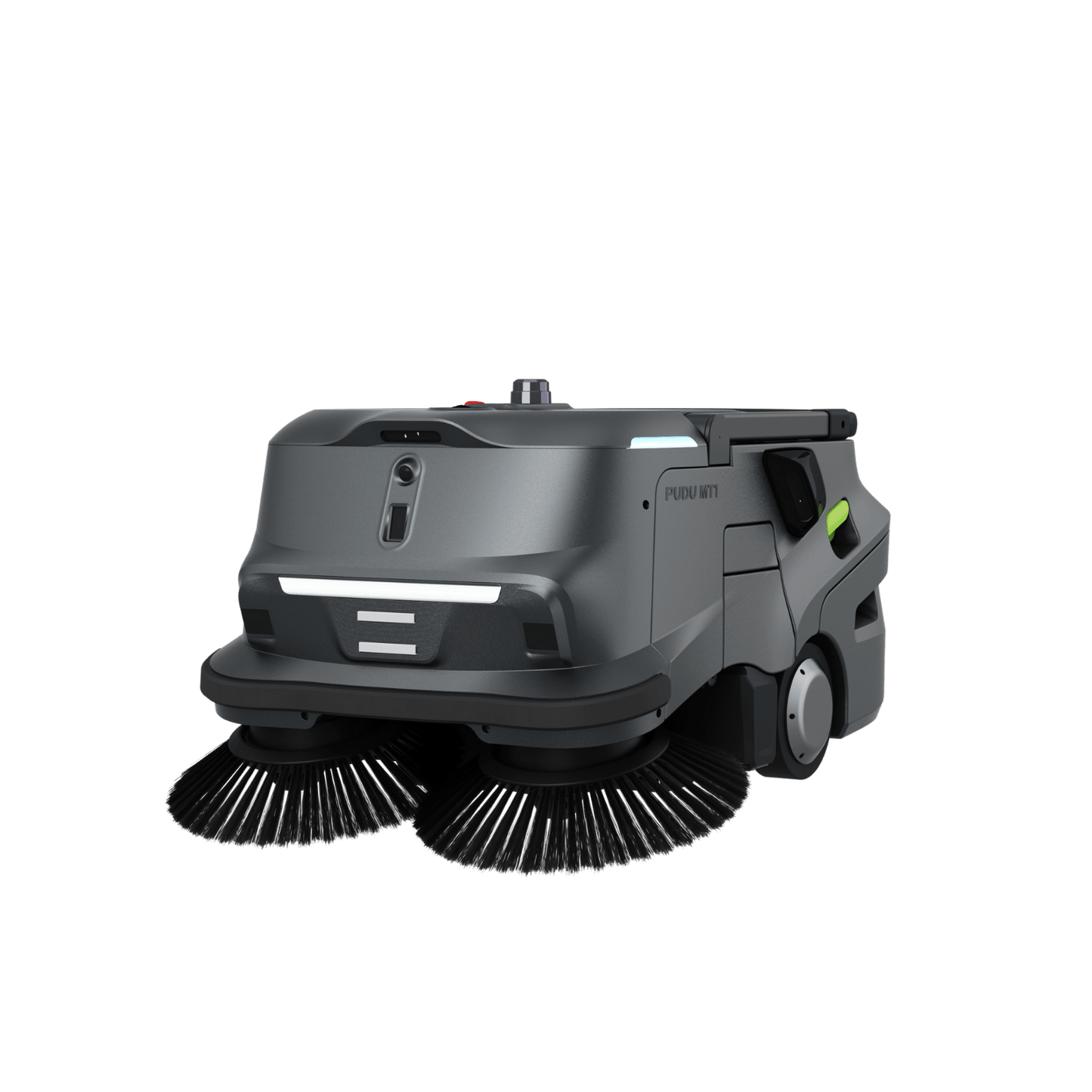
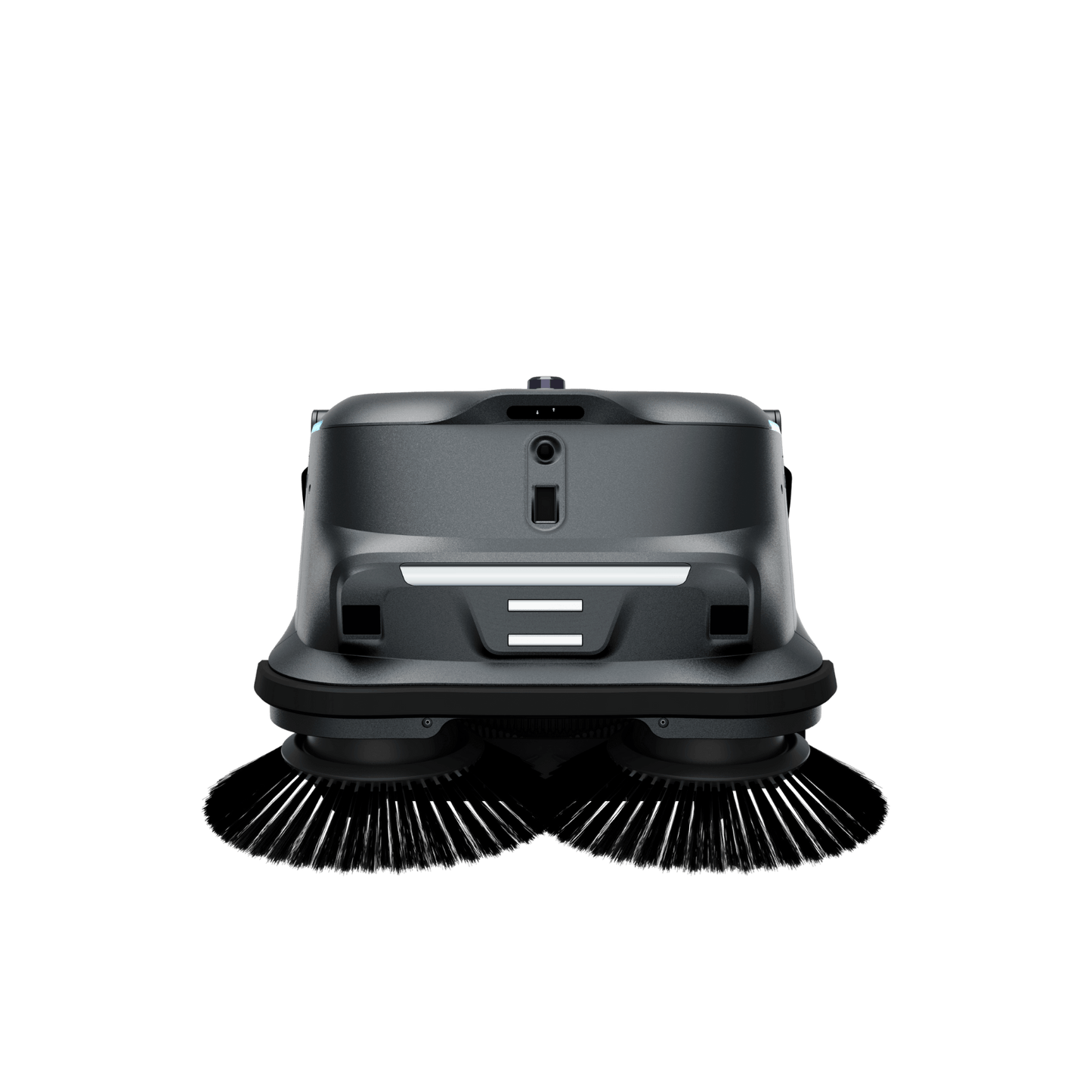
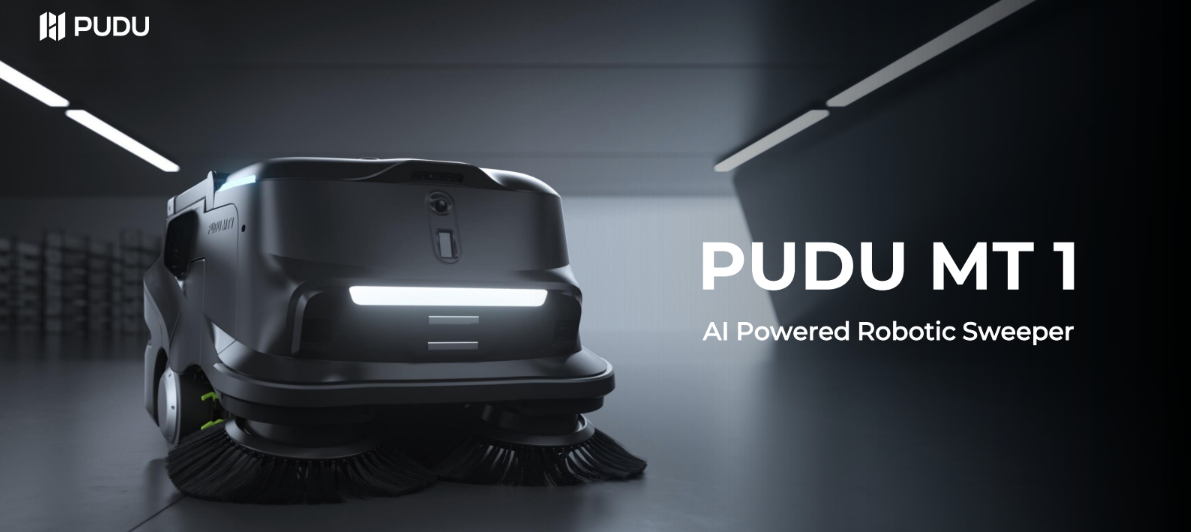
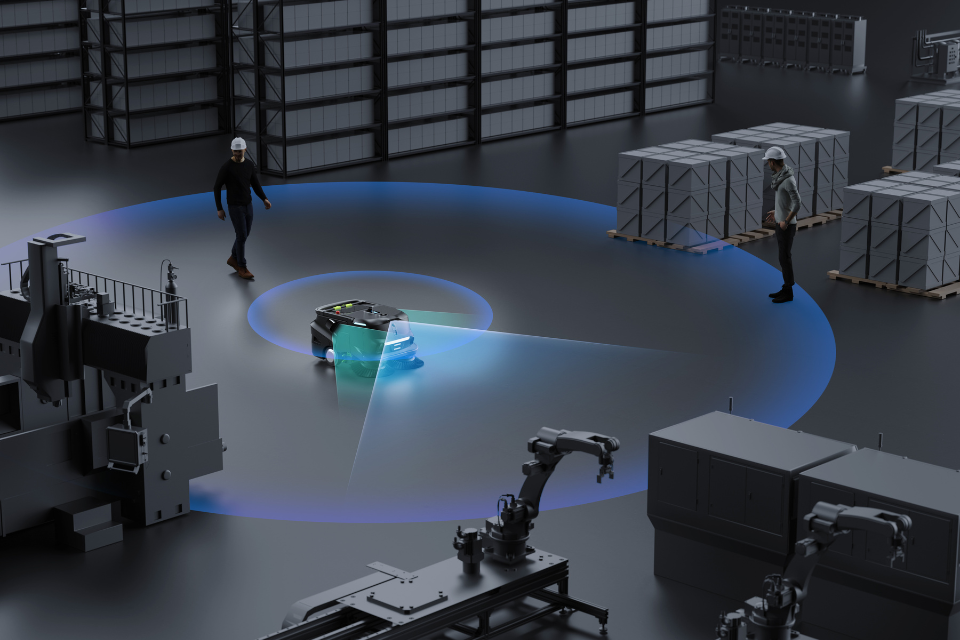
The PUDU MT1 cleaning robot is a comprehensive solution for automated floor cleaning in demanding environments. It combines modern sensor technology, AI-powered waste detection, a maintenance-friendly architecture, and flexible deployment strategies. In warehouses, traffic areas, retail environments, and production facilities, the MT1 delivers consistent results, increases operational safety, and stabilizes facility management workflows. The goal is clearly defined: personnel costs are reduced, processes become predictable, and quality remains constant regardless of shift or staff. The scalable architecture paves the way for high-level smart cleaning.
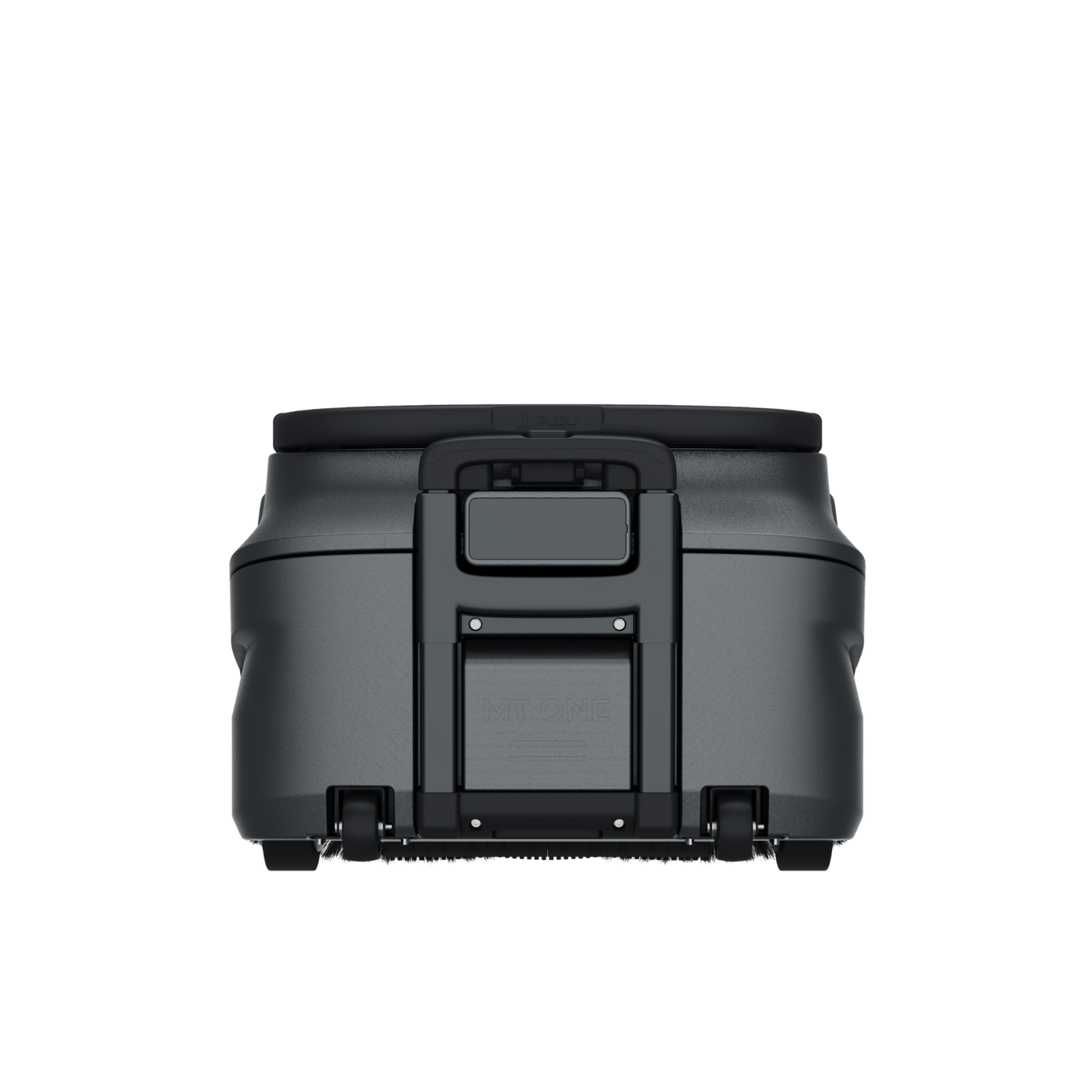
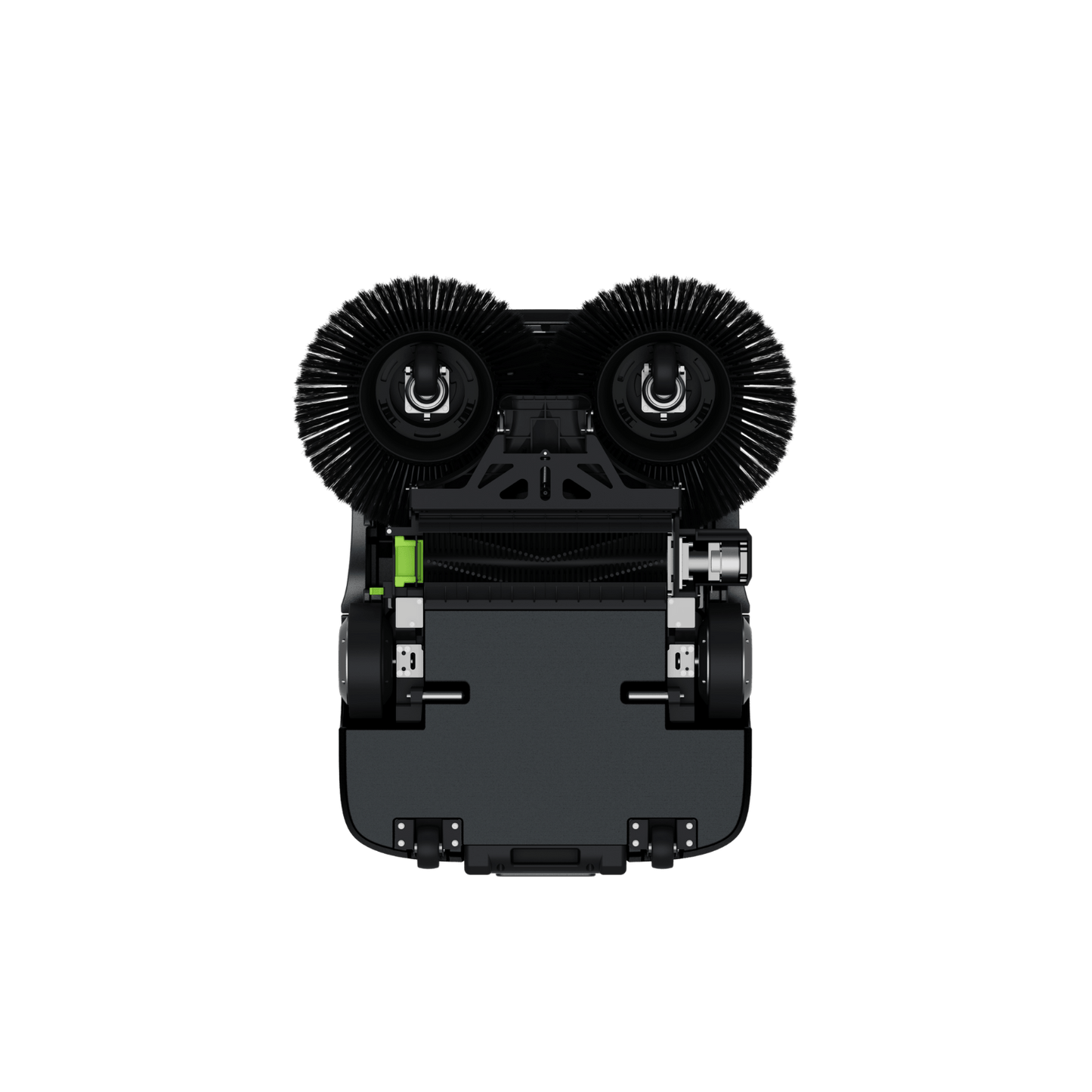
Technically, the MT1 impresses with compact dimensions of 840 × 600 × 490 millimeters and a weight of approximately 65 kilograms. The cleaning width of 70 centimeters allows for efficient area performance, and the waste bin holds 35 liters. In standard operation, the robot cleans up to 1,800 square meters per hour, while in spot cleaning mode, it reaches up to 6,000 square meters per hour. The speed of 0.2 to 1.2 meters per second is adjusted according to the environment. The runtime is between four and eight hours, depending on the mode, with a charging time of under three hours. This makes the MT1 suitable for multiple daily cycles and extended operational windows.
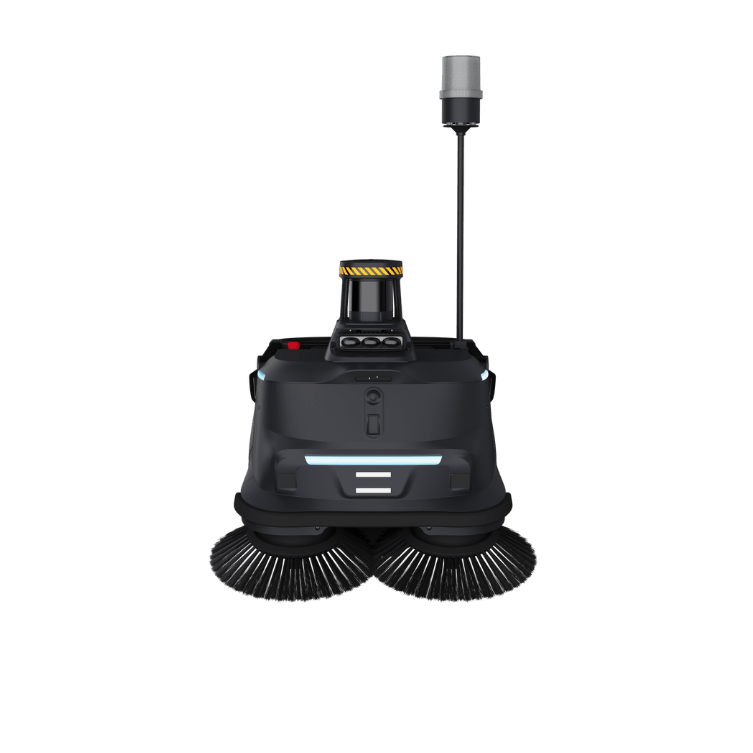
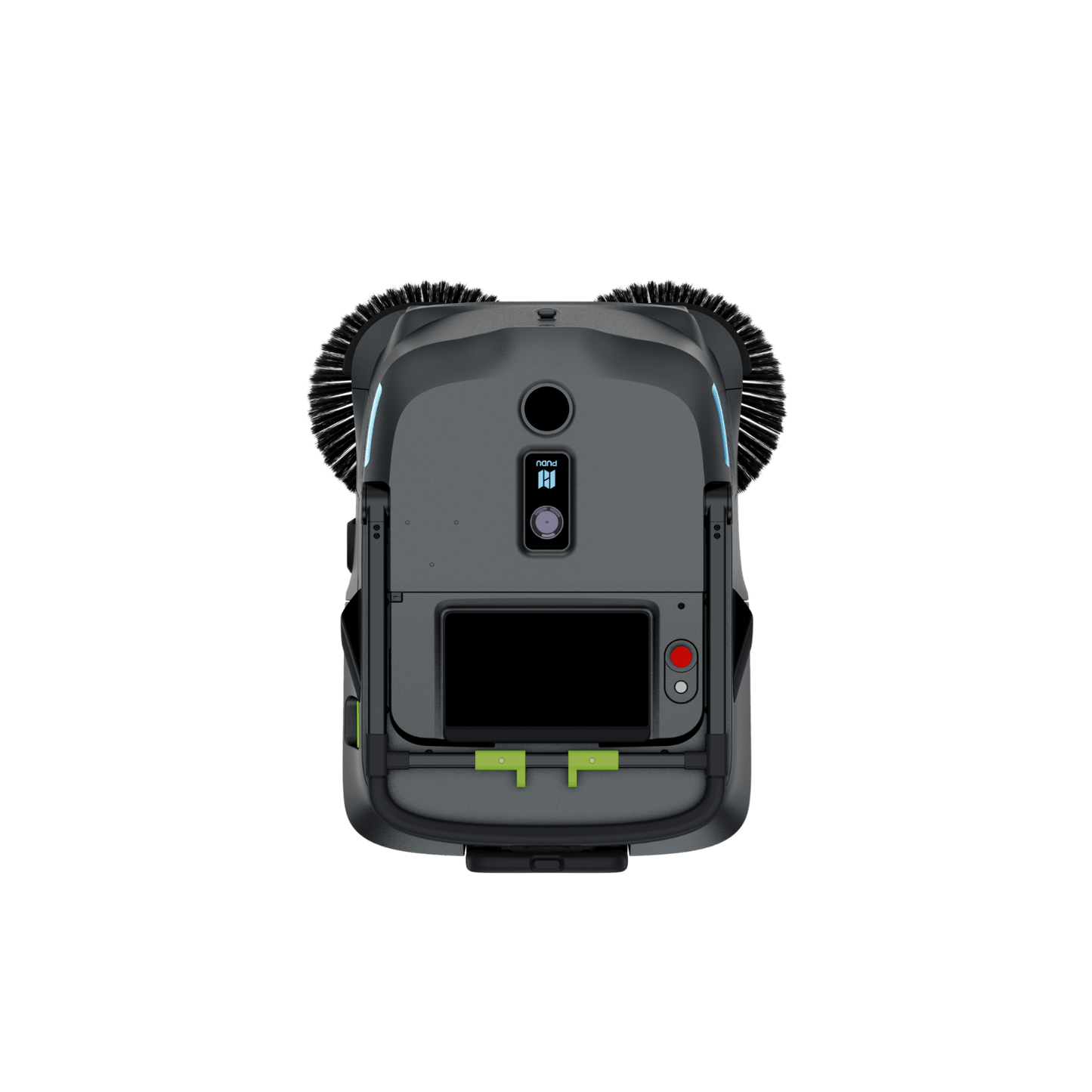
Navigation is based on LiDAR SLAM, VSLAM, and marker technology. The multi-sensory safety system, featuring 3D depth sensing, cameras, and laser scanners, detects people, vehicles, and obstacles in real-time. The robot navigates safely through passageways from approximately 75 centimeters and cleans edges and perimeters without gaps. Active dust control with vacuum suction and filters prevents secondary pollution. The modular design simplifies the replacement of brushes, filters, and wear parts, while a telescopic handle supports manual handling. Through various interfaces, the MT1 can be integrated into Smart Building and IoT systems, for example for elevator or door control. OTA updates keep the software, AI models, and security features up to date.
The MT1 Standard is the versatile all-rounder for sweeping and precise waste collection. The AI waste detection identifies different types of refuse in real-time and improves with every deployment. The robot maps areas, plans routes, adjusts speeds, and documents completed zones for transparent quality control. For logistics areas, picking aisles, production environments, and public buildings, the standard model provides a robust base configuration with high area coverage and reliable repeatability.
The MT1 Vac extends the system with suction power for fine particles. It combines sweeping, vacuuming, and dust binding for hygienic deep cleaning. Visual recognition distinguishes between coarse debris and fine dust, intelligently controlling the suction power. Filtration stages up to HEPA enable its use in sensitive areas such as waiting halls, educational facilities, or high-traffic retail spaces. Navigation remains equally secure. LiDAR SLAM and VSLAM ensure stable performance under changing lighting conditions, moving objects, and tight furniture layouts.
The MT1 Max is designed for large areas and demanding scenarios. The extended sensor fusion with 3D LiDAR provides precise spatial perception and stable orientation in complex layouts. The system processes data rapidly, plans routes proactively, and maximizes net working time. A reinforced chassis with protection against dust and splash water increases availability in continuous industrial use. For logistics centers, exhibition halls, and production areas, the MT1 Max is the right choice when area performance, robustness, and long runtime are priorities.
Typical areas of application range from logistics and warehousing to shopping centers and airports and train stations. In high-traffic areas, the robot maintains cleanliness continuously and returns to the charging station automatically. In production, it removes packaging remnants and dust without compromising material flow or workplace safety. Public buildings, universities, and exhibition halls benefit from its scalability. The MT1 remains stable in navigation and cleaning quality even with changing furniture and daily usage.
The economic effects are clearly measurable. Routine areas are processed automatically, allowing staff to focus on value-added tasks. Cleaning schedules and cycles are precisely definable. The level of quality remains consistently high. Downtimes are reduced through automatic charging and modular maintenance. The solution grows with the requirements. Additional robots, extra cleaning zones, and integrations into facility platforms or IoT gateways can be added in stages. A practical ROI is often visible within a few years, especially for large areas requiring regular cleaning with multiple daily cycles.
The implementation follows a structured process. Before starting, digital maps of the areas are created. Cleaning zones, restricted areas, and driving corridors are defined. After commissioning, briefings and fine-tuning ensure smooth operation. Maintenance and support include planned intervals for filters, brushes, and sensors. Spare parts, warranty packages, and remote monitoring ensure high availability. Software updates over the air provide new features, improved detection models, and security patches. This keeps the system high-performing and up-to-date in the long term.
In summary, the PUDU MT1 stands for reliable autonomous floor cleaning with AI waste detection, LiDAR navigation, and IoT integration. The MT1 Standard covers the broad base, the MT1 Vac provides suction power for fine particles, and the MT1 Max scales performance and robustness for large industrial surfaces. Companies receive a scalable, maintenance-friendly, and economical platform that makes cleanliness measurable and increases efficiency in building management.