Why a delivery robot makes a difference today
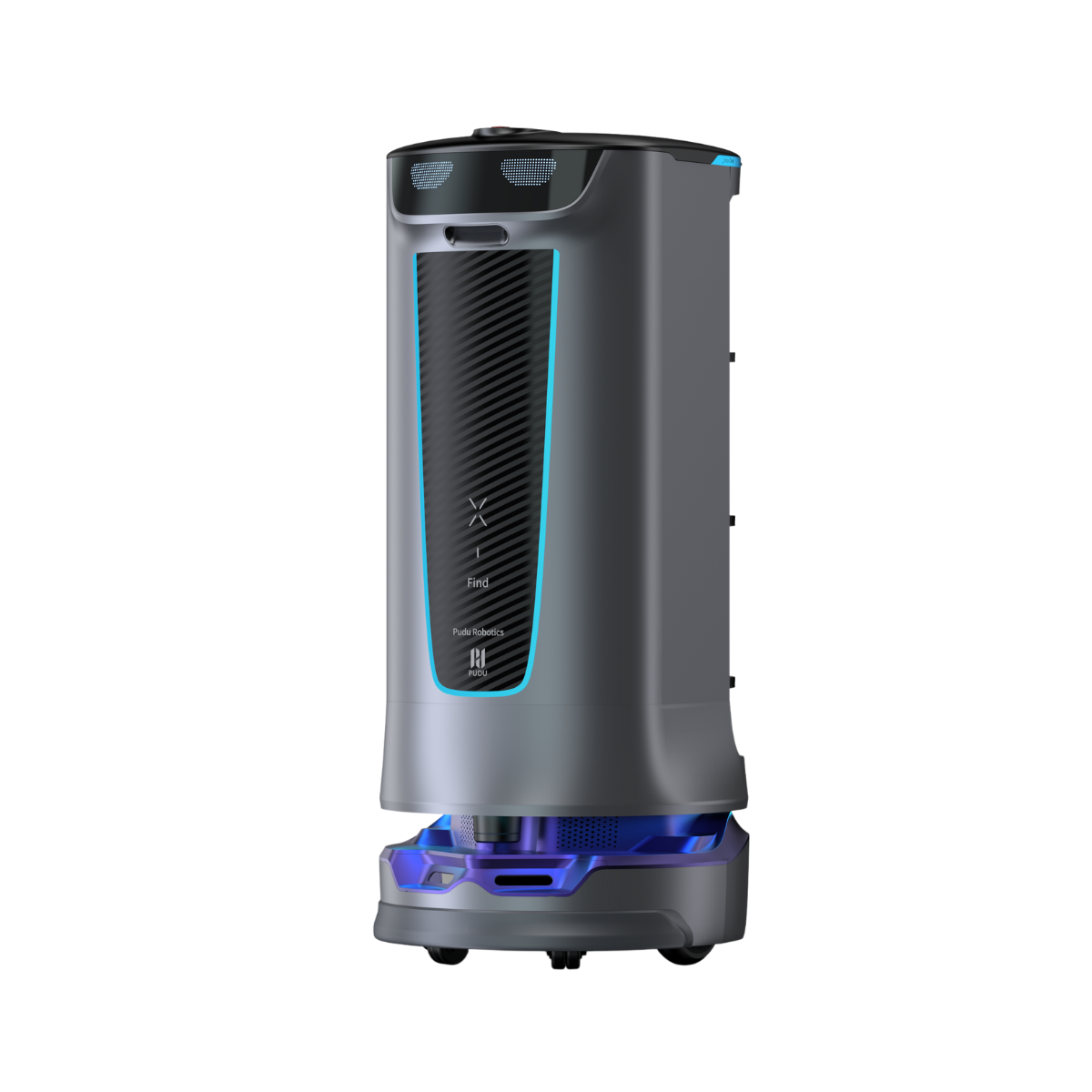
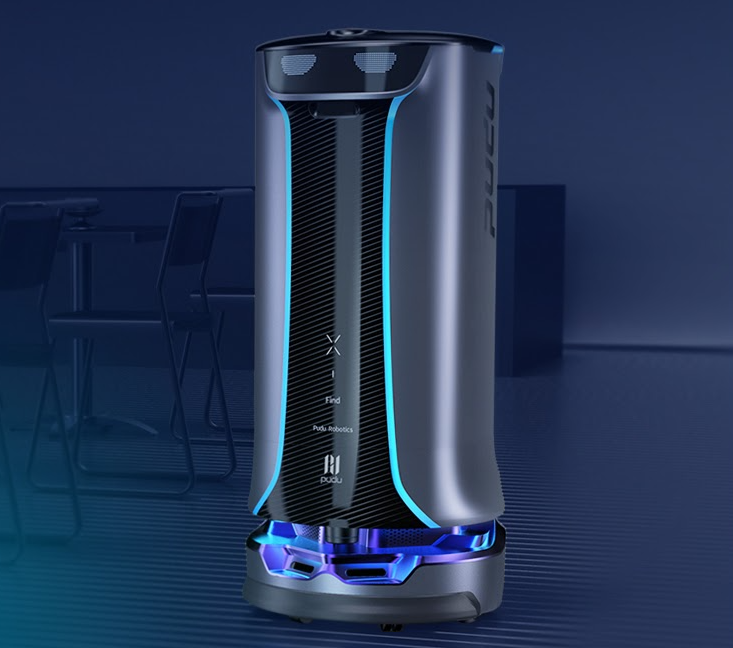
Gastronomy, healthcare, and the hotel industry operate at a fast pace. Travel times are increasing, staff is scarce, and peak hours create backlogs in dishwashing areas, service counters, or station storage. An autonomous delivery robot solves exactly these bottlenecks. The PUDU HolaBot combines large load volume, intelligent navigation, and contactless operation into a system that reliably handles transport and relieves staff. It moves significantly more dishes, supplies, or consumables in one run than people on foot and returns to the next task location in a predictable manner. The results are shorter turnaround times, fewer interruptions during guest interactions, and more focus on core tasks such as care, consulting, or sales.
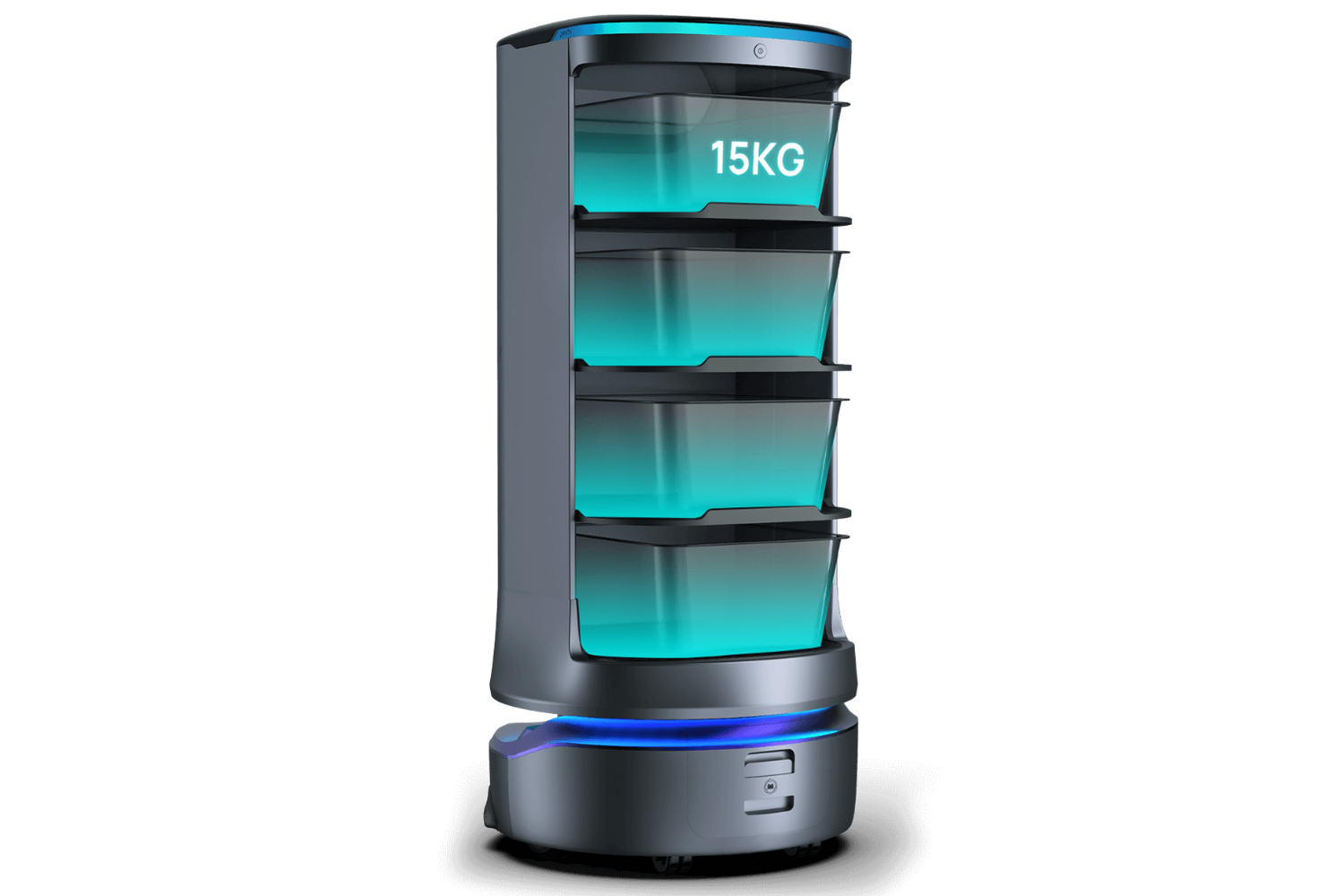
Capacity and load volume for dense service cycles
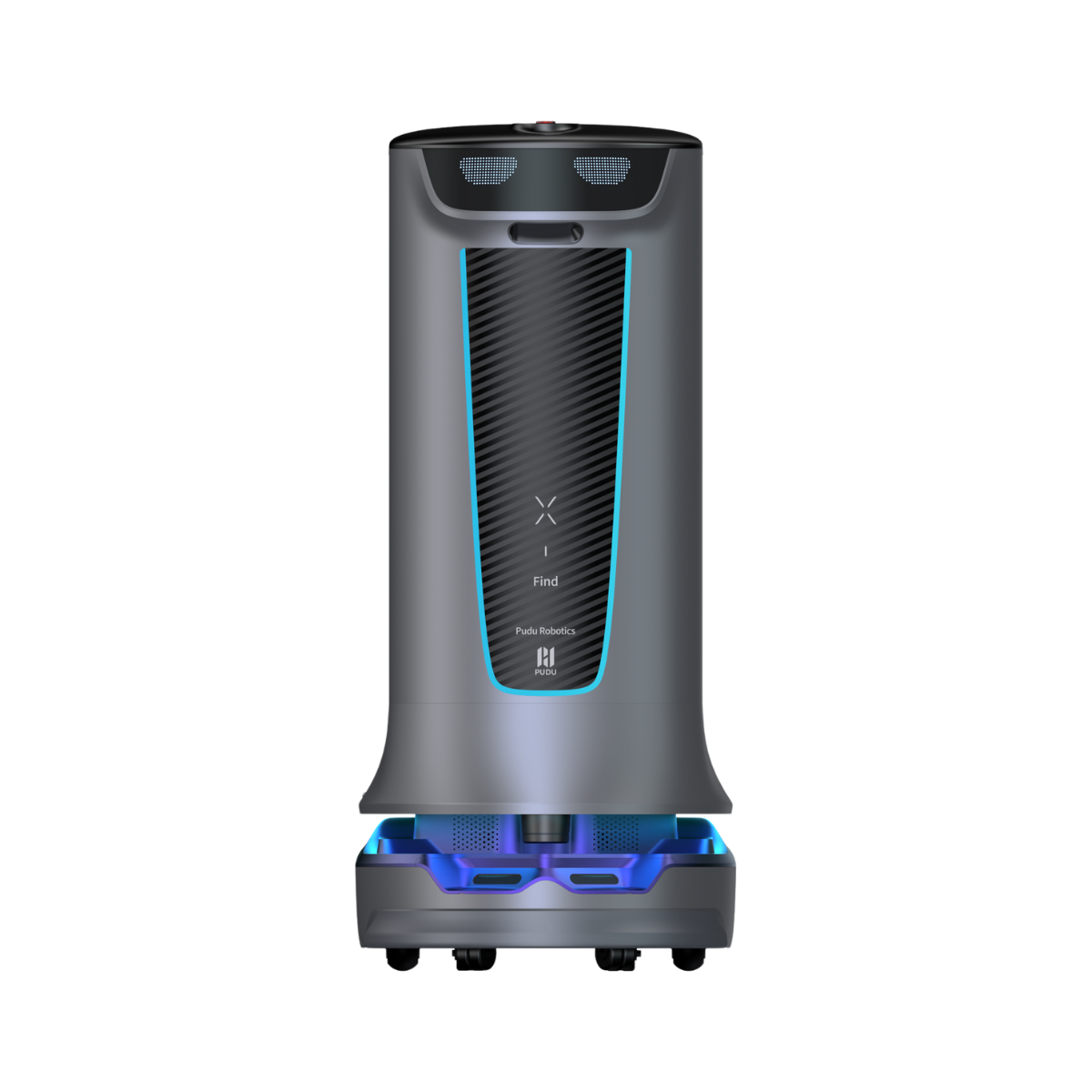
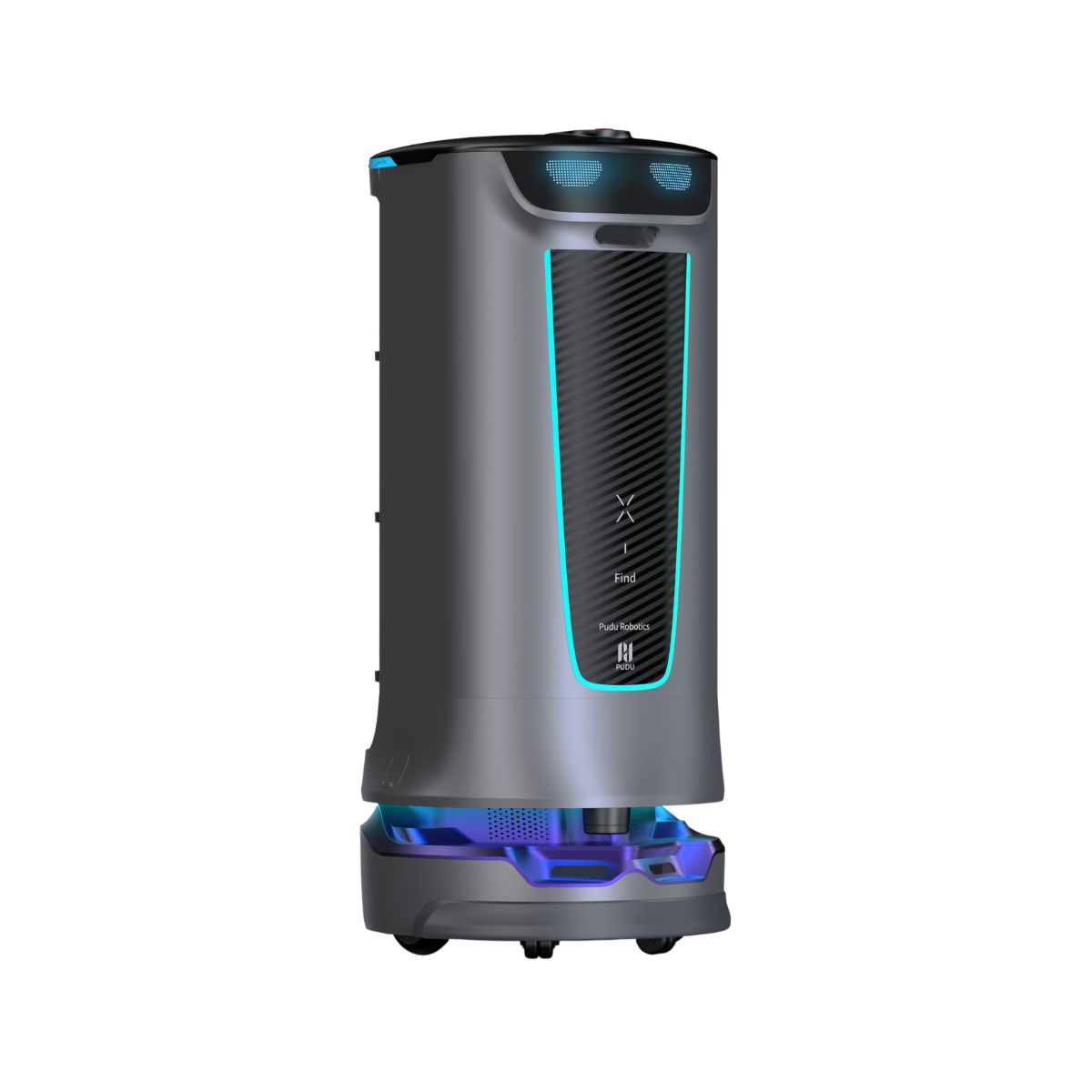
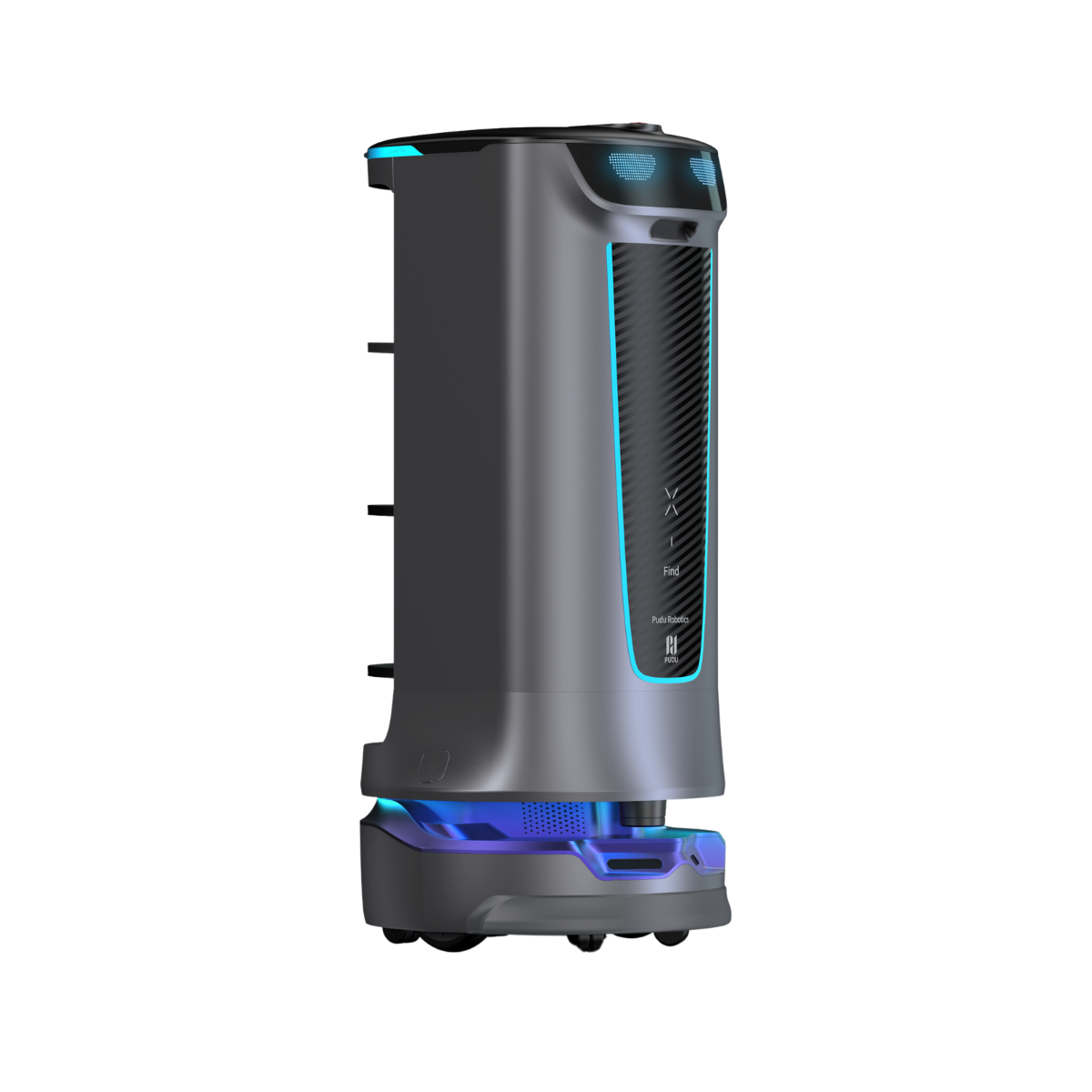
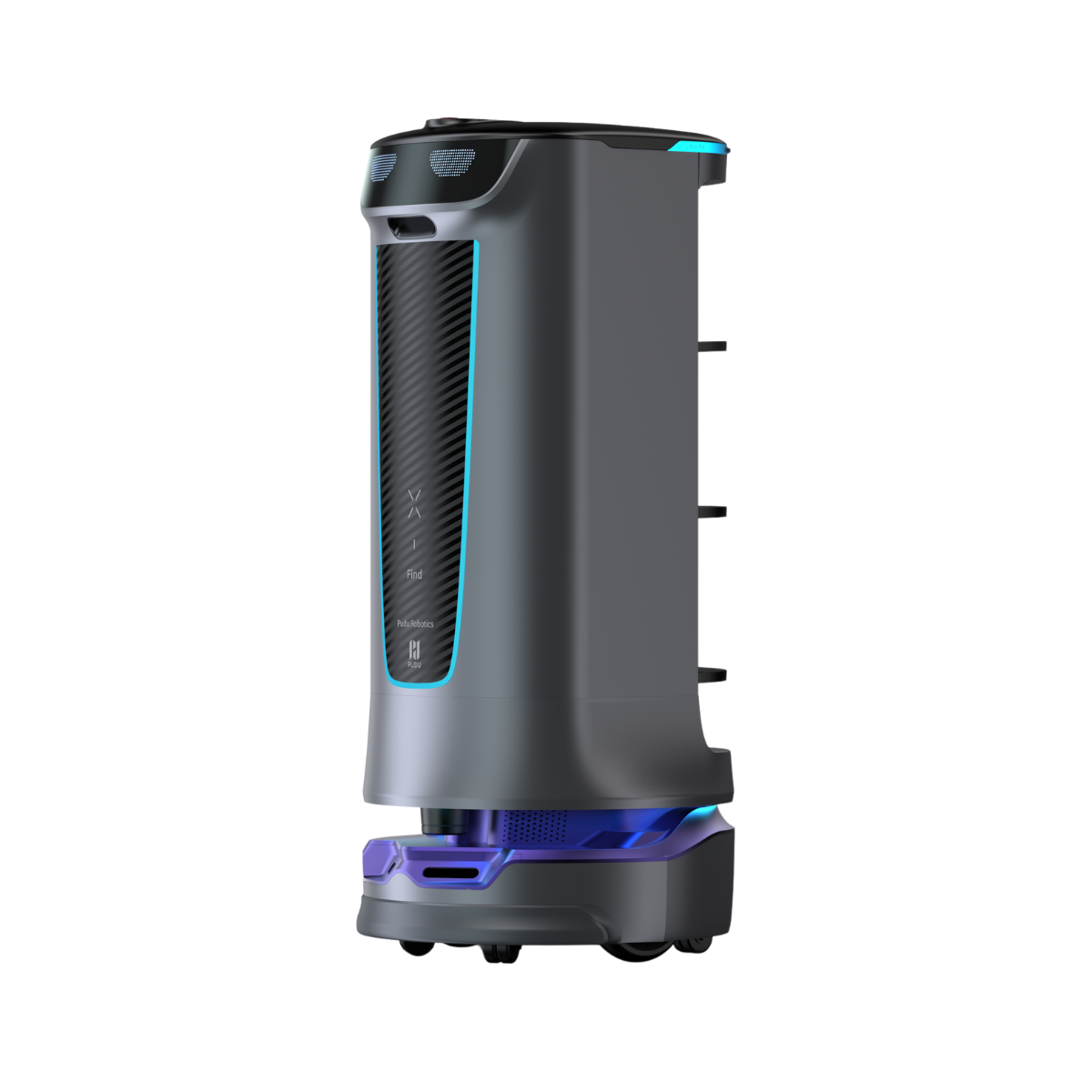
The interior has a volume of one hundred and twenty liters. Four trays can be adjusted in height to suit the respective application. Each level carries up to fifteen kilograms, with a total payload of up to sixty kilograms. This allows the robot to transport multiple orders, trays, or bins in a single circuit. This saves trips and increases the team’s net working time. In practice, the robot drives on schedule from table row to table row, picks up dishes, and returns to the dishwashing zone. In clinics, it collects consumables and brings them to the supply room. The capacity per trip is constant and calculable, which facilitates planning for peak hours.
Contactless operation for hygienic environments
The HolaBot responds to voice commands and air gestures. A multi-channel microphone array reliably locates the voice and executes commands without physical buttons. Air motion gestures allow for starting, stopping, or confirming with a natural hand movement. Employees have both hands free and stay in their workflow. This form of interaction is particularly relevant in kitchens, dishwashing areas, and care environments where hygiene and short reaction times are crucial. The robot integrates into daily life without creating new barriers.
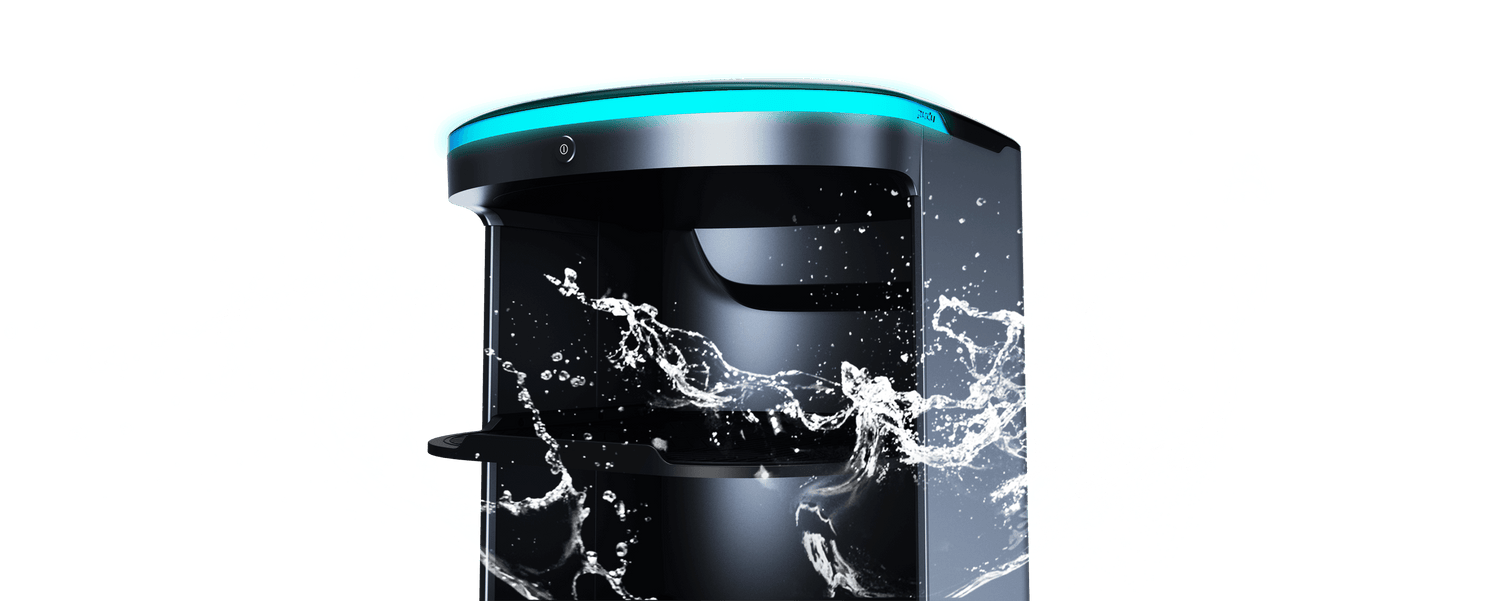
Splash water protection for robust operations
The interior cabin is protected against splash water according to IPX5. This protects goods and technology on wet paths, at the sink, or when mopping the floor. Surfaces can be cleaned quickly. Liquids are kept away from electronics and the drive system. This reduces maintenance effort and keeps the system available even under challenging conditions. For operators, this means fewer unplanned downtimes and a longer service life for the hardware.
SLAM navigation for safe indoor travel
The HolaBot works with a SLAM system that maps, localizes, and plans routes. It detects bottlenecks and reduces speed in critical zones. On long straight paths, it accelerates to the necessary level and docks precisely at the destination. In busy hallways, it maintains distance, evades, and continues the tour as soon as the path is clear. The driving dynamics remain predictable, so that mixed operation with guests, patients, and staff feels safe. The navigation works without permanent floor markings, allowing layout changes or seasonal adjustments to be implemented quickly.
On-demand workflows with pager calls
A powerful element of the system is on-demand calling. Tasks are started and prioritized via an app or smartwatch. When dishes are full at a table, the service staff triggers a call, and the robot arrives directly. In the dishwashing area, management then sends the HolaBot back to the guest area. On a ward, the process works the same way. The staff member calls the robot to the room for a handover, the HolaBot delivers the materials, and returns to the next task. This on-demand control reduces waiting times and ensures that the robot is always operating where it provides the most value.
Fleet management and cloud analytics
As soon as several robots are working in the building, a scheduler distributes the tasks. It ensures that paths are collision-free, prioritizes bottlenecks, and monitors battery levels. In the cloud, routes, capacity utilization, and running times become transparent. Managers recognize peak times, identify bottlenecks, and can specifically adjust routes or time windows. This data view is also suitable for discussions with the team because the impact of process changes becomes measurable. Those who want to improve their service chain receive clear levers and reliable figures as a result.
Energy management for long shifts
The HolaBot is designed for extended operating windows. Depending on the load profile, a runtime of half to a full working day is available. A full charge is completed in about four and a half hours. In practice, a charging window between shifts is sufficient to keep operations consistent throughout the day. For locations with very high frequency, a rotating operation can be set up with two devices, where one robot is always active while the second is charging.
Areas of application in gastronomy and the hotel industry
In restaurants, the robot handles clearing, the return to the dishwashing area, and replenishment from the service counter. Service staff stay with the guest instead of switching between areas multiple times. Waiting times for receipts, cutlery, or drinks decrease. The uniform rhythm in the dishwashing area improves machine output because the return flow is predictable. In hotels, the robot supports banquet operations, brings setups from the kitchen to the hall, and delivers housekeeping supplies to floor corridors. Especially during events with many participants, it stabilizes logistics behind the scenes and creates space for guest interactions.
Supply chains in healthcare
In clinics and care facilities, transparent hygiene and reliability are paramount. The HolaBot transports consumables contactlessly between storage, wards, and functional areas. The splash-proof interior cabin can be cleaned, and interaction is voice-controlled. Material handovers occur at a constant pace, and ward processes gain predictability. Nursing staff spend less time in hallways and more time at the bedside. For facility management, the integration is manageable since navigation works without structural modifications and routes can be adjusted quickly.
Ergonomics and occupational health
Heavy trays and repetitive paths strain the back, shoulders, and joints. The HolaBot takes on this burden. The four levels can be loaded ergonomically and emptied at the destination without effort. Less lifting and carrying reduces physical strain on staff and prevents downtime. This is a measurable factor in the calculation that many projects recognize positively as early as the first year. Better ergonomics pay off in terms of employer attractiveness and turnover rates.
Integration into existing systems
The integration into the building is clearly structured. First, a digital image of the areas is created. Then, zones, restricted areas, and handover points are defined. After the initial mapping, fine-tuning of the routes follows. Pager calls or app orders supplement the planning with spontaneous needs. Monitoring and reports are available in the cloud. Technical support is provided by the service provider, while operational responsibility lies with the facility. This reduces complexity and enables a fast rollout at multiple locations.
Profitability and return on investment
Profitability arises from three effects. First, travel times are significantly reduced because a robot carries large volumes per tour. Second, peak times become predictable because the return flow does not depend on individual people. Third, contactless operation reduces disruptions in the core process. These factors lower the unit cost per circuit and noticeably improve service quality. In many operations, the system pays for itself within a short time, especially where many small transports occur and long hallways need to be bridged. Data from fleet management proves the development and supports budget discussions.
Daily operation
The benefit of a service robot stands or falls with smooth operation. A clean maintenance regimen for the trays, defined charging windows, and clear responsibilities within the team are the foundation. Training is brief because operation is intuitive. The system reports its status, shows the next task, and informs when paths are blocked. In practice, a mix of planned rounds and on-demand calls has proven successful. Planned tours ensure the basic rhythm, while calls cover peaks. This keeps the robot highly utilized and effective exactly where it saves time.
Sustainability and resource efficiency
Fewer empty runs and buffered returns mean less energy consumption per transported unit. The HolaBot achieves exactly this. It bundles volume and reduces unnecessary trips. This has an impact on power consumption, dishwasher load, and waste logistics. The surface can be maintained with little water and cleaning agent. Wear parts are replaceable, which increases service life and conserves resources. For companies reporting sustainability metrics, these effects are trackable and documentable.
Selection, procurement, and service
Depending on the location, purchase or rental models are suitable. A service package that includes maintenance, spare parts, and remote support is essential. The partner provides firmware updates, calibrates sensors, and supports layout changes. For groups with multiple buildings, a phased plan is recommended: first a pilot with clear metrics, then the rollout with standardized routes and training. This ensures that quality remains comparable across all locations.
Conclusion for decision-makers
The HolaBot is a service robot that provides noticeable relief without complicating processes. High payload, generous volume, a splash-proof interior cabin, and contactless operation create exactly the utility that counts in gastronomy, hospitality, and healthcare today. The navigation works safely in busy hallways, fleet management distributes tasks intelligently, and the cloud creates transparency regarding performance and utilization. Those who want to reduce travel distances, smooth out peak times, and increase service quality receive a robust, economical, and scalable solution with this delivery robot.