Classification and Value Proposition
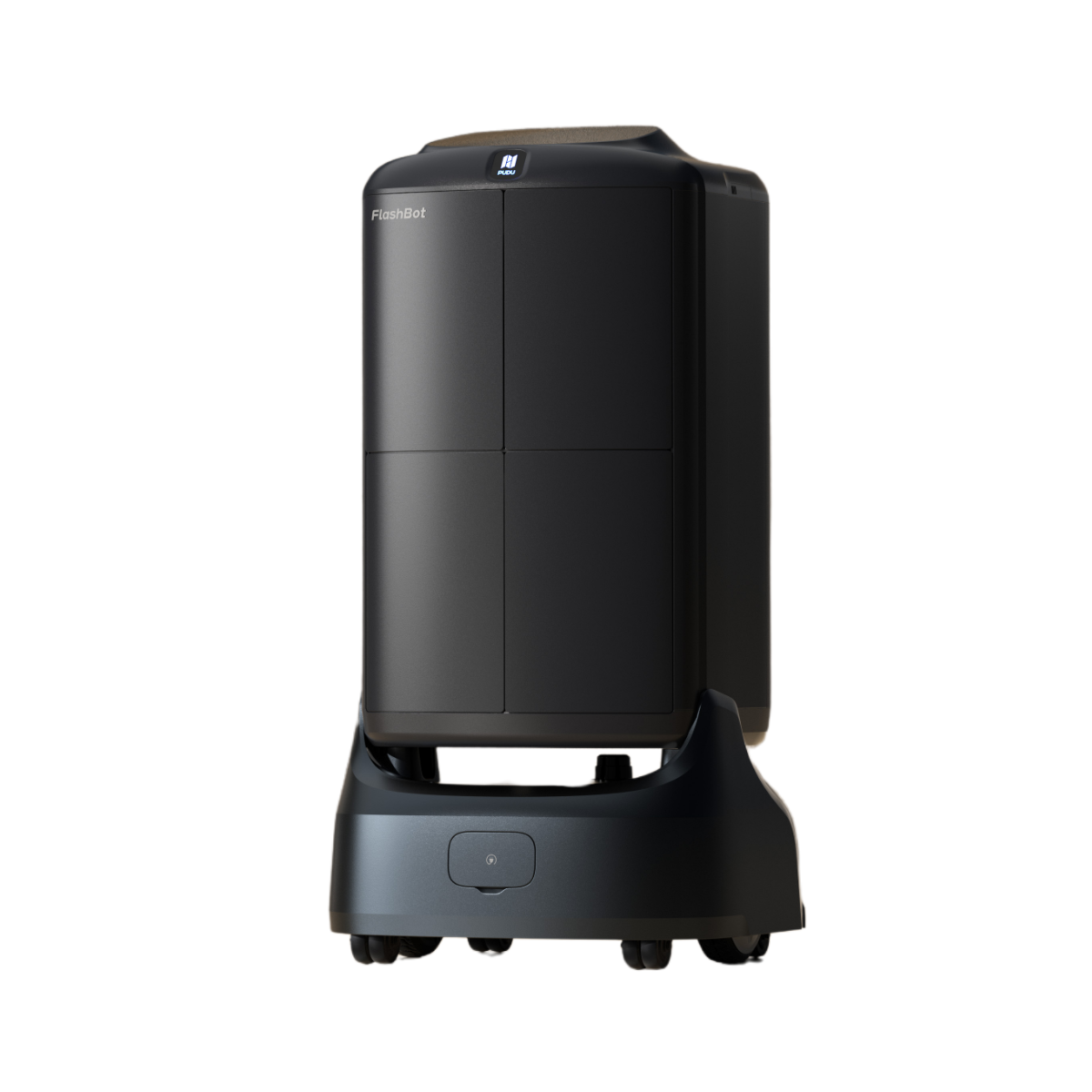
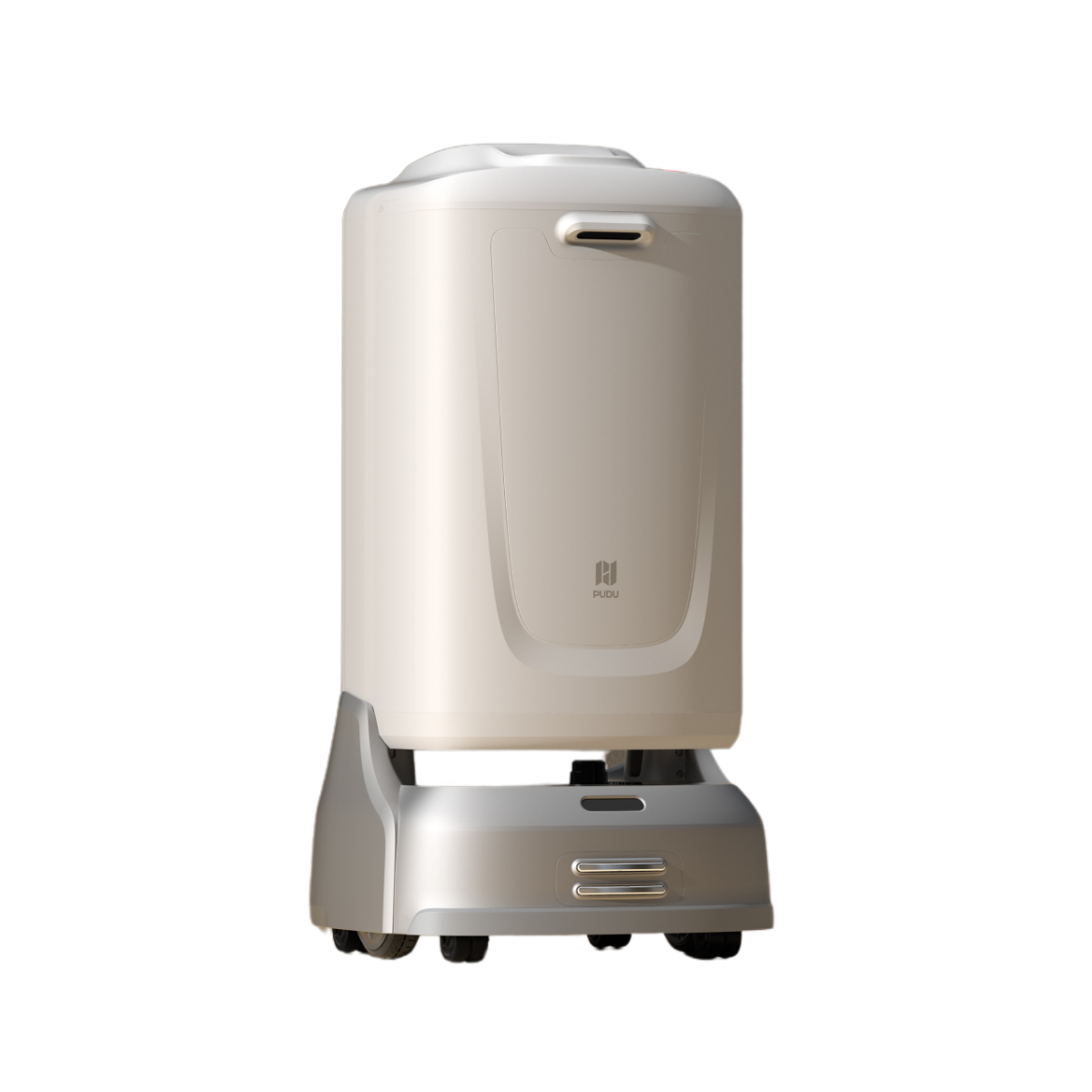
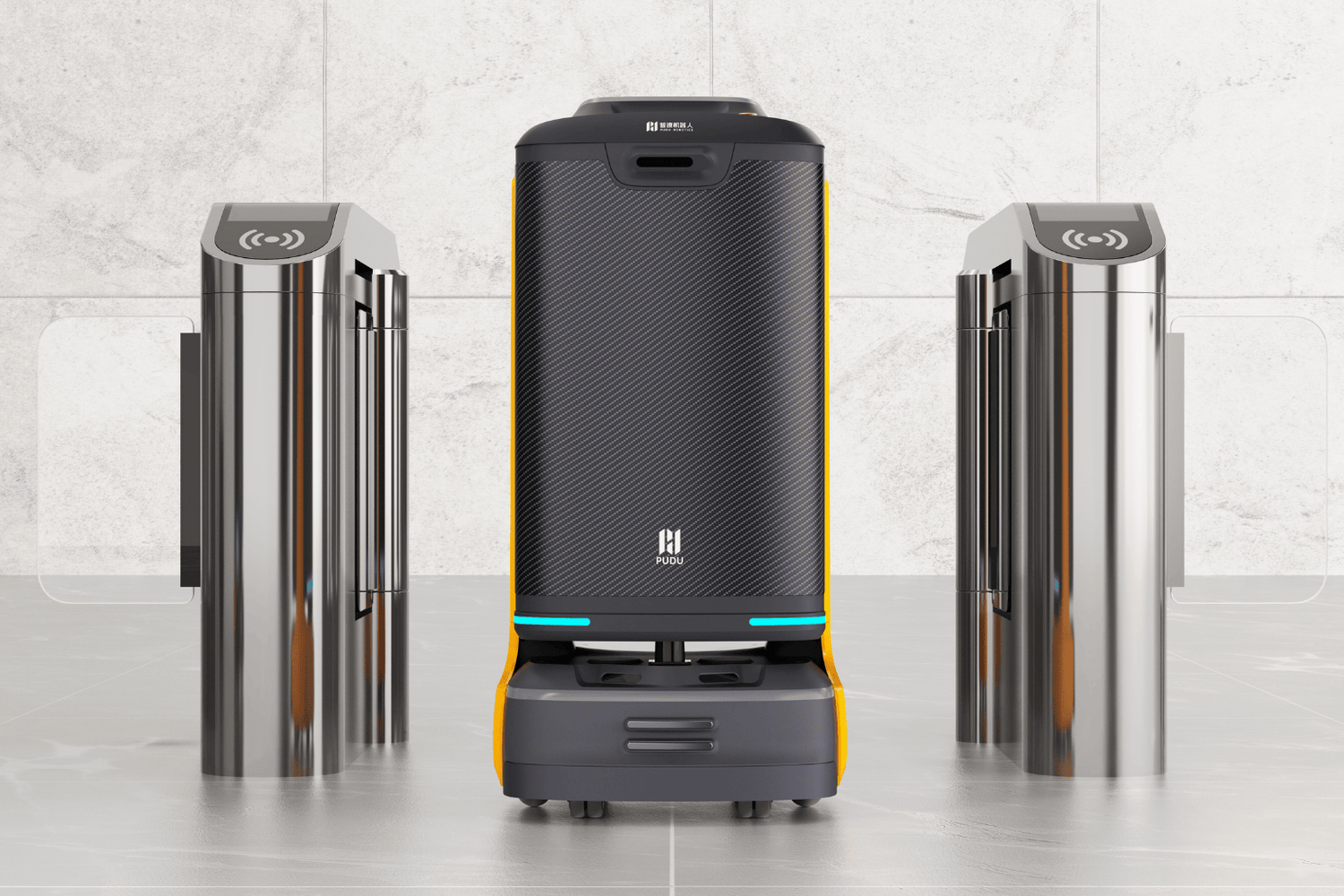
The PUDU FlashBot Max is an autonomous multi-floor delivery robot for professional use in hospitality, healthcare, and mixed-use buildings. The system handles contactless deliveries across multiple floors, automatically informs recipients, and documents every handover in the cloud. For hotels, this means reliable room service outside of core hours and discreet night-time deliveries. Clinics benefit from predictable transport for medication, documents, or personal items without the need for staff escort. In office complexes and serviced apartments, the robot enables secure in-house logistics without waiting times at elevators or turnstiles. The platform is designed for 24/7 operation, reduces manual trips, and stabilizes service levels when teams are under high pressure.
Navigation and Safety with VSLAM plus LiDAR
Motion control combines visual Simultaneous Localization and Mapping with laser sensor technology. Two RGB-D cameras provide depth information, while the LiDAR scanner detects obstacles proactively. The robot continuously maintains its position, recognizes hanging objects up to roughly waist height, and avoids people in real time. Open lobbies, long hallways, and changing lighting conditions pose no problems for the system, as mapping works without floor markers. Driving dynamics are optimized for indoor environments: the FlashBot Max travels at up to 1.2 m/s in clear corridors, reduces speed at curves and intersections, and approaches docking points with high precision. This combination of 3D perception and stable localization ensures predictable travel in mixed traffic with guests, patients, and staff.
Multi-Floor Logistics: Elevator Integration via Cloud or Hardware
The decisive factor for multi-floor operations is elevator control. FlashBot Max supports two integration paths. Cloud connectivity utilizes the interfaces of leading manufacturers and calls elevators via software, without requiring structural modifications to the shaft. For existing systems that do not provide a cloud API, a hardware controller is available. This connects call buttons, door signals, and travel commands to the robot fleet. Both methods allow for prioritized trips, coordinated docking points on each floor, and the safe passage through automatic doors or turnstiles. In practice, this means the robot leaves the service zone, calls the elevator, travels to the target floor, signals its arrival, and completes the delivery unattended.
Modular Compartments and Controlled Handover
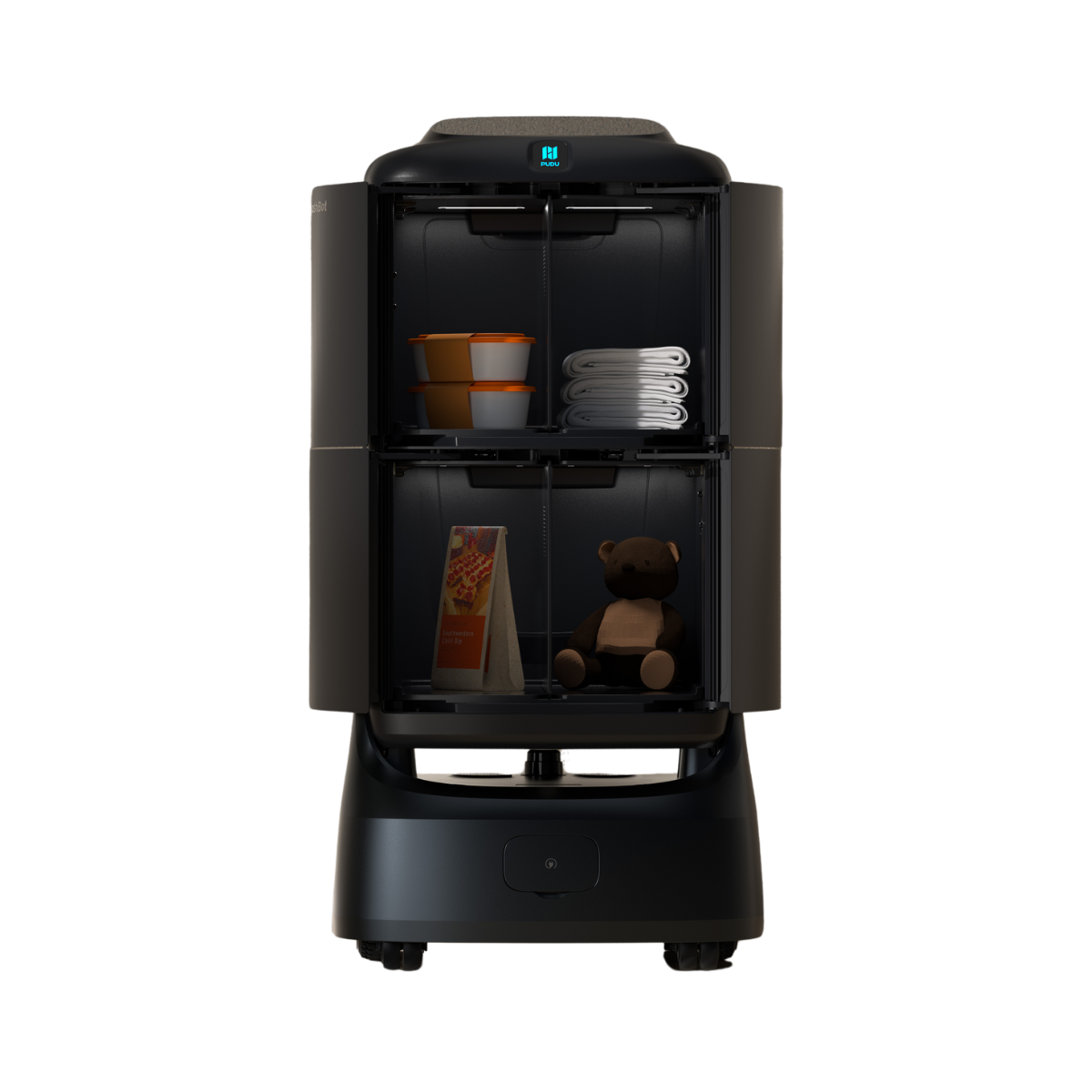
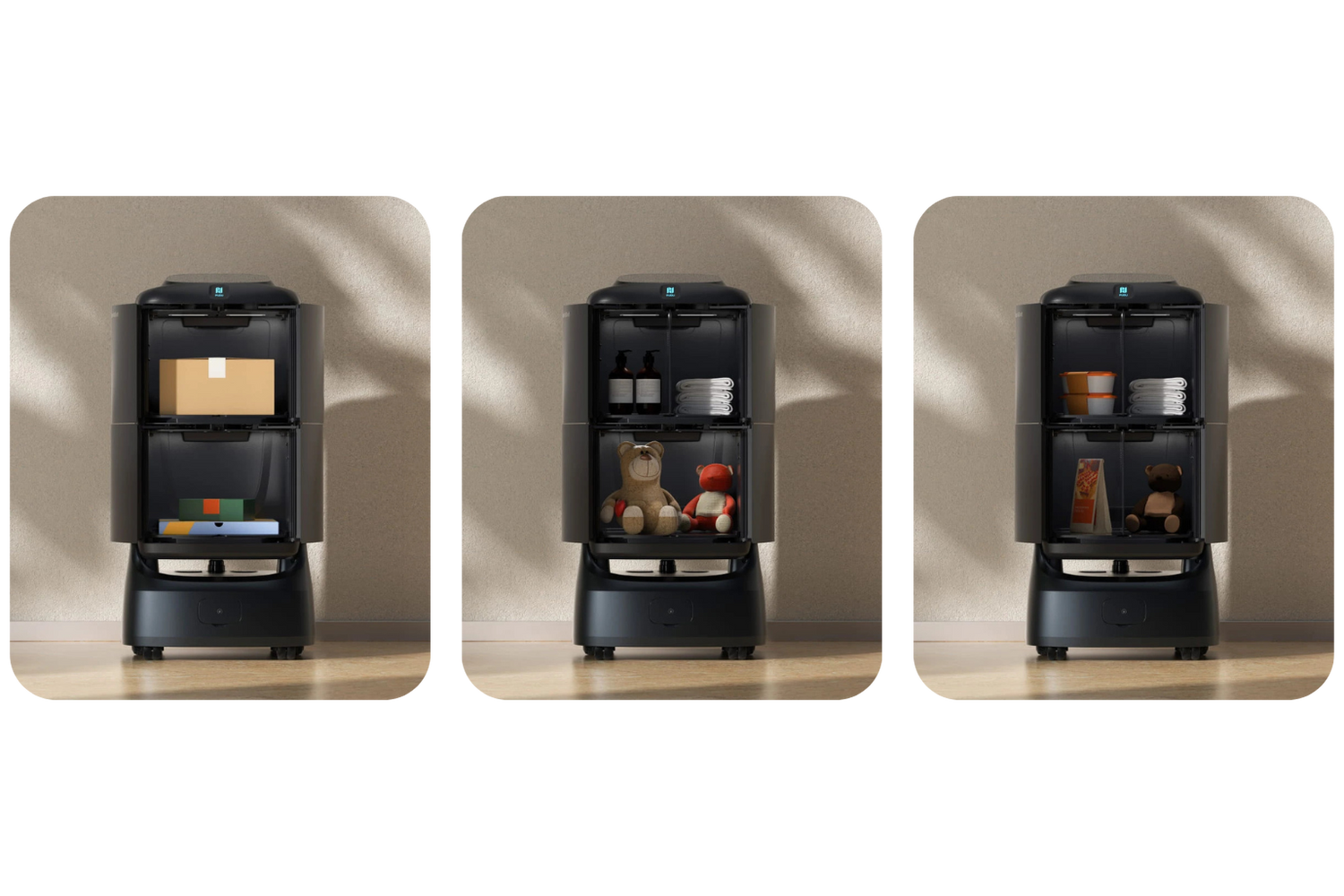
The locker module can be configured with two, three, or four doors. Each compartment holds up to ten kilograms and can be height-adjusted for the respective use case. Amenities, snacks, medication, documents, or small packages are transported separately and only released at the destination. Access is granted via PIN entry, phone-based verification, or NFC. This access control protects the contents until pickup, prevents misdeliveries, and provides a tamper-proof record of the handover. For hotel operations and serviced apartments, compartments can be assigned to individual rooms; in clinics or offices, compartment IDs are assigned to processes or departments. The flexible layout increases route efficiency, as multiple orders can be combined in a single trip.
Notification and Pickup Process
As soon as the FlashBot Max arrives at its destination, the system sends an arrival notification via SMS or places an automated call to the registered phone number. The recipient enters the pickup code, opens their assigned compartment, and retrieves the delivery. Timestamps, floor level, and compartment number are logged in the Pudu Cloud and are available for reports or service analysis. This standardized handover process is contactless, fast, and transparent – an important foundation for service quality at night, during shift changes, or during peak times.
Performance Data, Dimensions, and Accessibility
Hard facts are crucial for planning. The chassis measures 538 × 534 × 1052 millimeters and weighs approximately 60 kilograms. The recommended minimum width for passages is 70 centimeters. Door thresholds of approximately two centimeters in height and gaps of up to about 3.5 centimeters have been accounted for in existing environments. Travel speed is adjustable between 0.5 and 1.2 meters per second, depending on the environment and fleet rules. The runtime per charge covers a long operating block; recharging takes approximately four hours. When the battery is low, the robot autonomously returns to the charging station. In summary, this results in low-maintenance operation that requires no special floor infrastructure, making it well-suited for renovations or temporary routes.
Semi-Outdoor Capability for Building Perimeter Zones
Many buildings connect indoor areas with weather-protected outdoor corridors, garden paths, or pool areas. The FlashBot Max is designed for such semi-outdoor zones, provided the surface is level and the area is structurally protected. This allows room service, spa logistics, or night deliveries to be extended to outdoor terraces without tying up staff from core areas. For operators, this creates additional flexibility to handle seasonal offers or event logistics autonomously.
Fleet Management and Cloud Analytics
As the number of devices increases, orchestration becomes more important. The Pudu Scheduler distributes orders, assigns priorities, and avoids traffic jams at intersections. It considers elevator transit times, floor changes, and current corridor occupancy. The Pudu Cloud displays live positions, battery status, tour history, and failure reasons. Property teams can see when bottlenecks occur and which floors repeatedly cause waiting times. This allows for the optimization of service windows, routes, or pickup points. The data foundation creates transparency for budget discussions and serves as proof to owners or brand partners that service levels have been met.
Hotel & Serviced Apartments: Room Service Reimagined
In the hospitality industry, time spent with the guest is key. The floor-delivery robot handles standardized routes between the back-of-house, elevator, and room. Amenities, dental kits, chargers, late-night snacks, or water bottles reach the door contactlessly and reliably. At night, when staff is thinly spread, waiting times remain short, allowing the front office to focus on check-ins, inquiries, and security. For brand standards, the FlashBot Max delivers consistent quality: calls or SMS are sent automatically, the pickup code secures the contents, and the cloud keeps a complete log of when which delivery was made. For operators with multiple properties, the platform enables a unified process across all locations.
Healthcare: Secure Delivery with Clear Accountability
Clinics and medical centers benefit from the controlled handover. Access to compartments is restricted to authorized persons, and every retrieval is logged. This allows for organizationally sound handling of document-based transport – such as reports, samples, or medication packages. At the same time, the robot relieves ward teams from walking through long corridors. Since navigation works without floor markers, renovations or temporary blocked areas are managed easily. Elevators and doors are controlled by the system, making handovers predictable and reproducible.
Office Real Estate and Campus Logistics
In multi-tenant buildings and on corporate campuses, the FlashBot Max demonstrates its strengths in documented deliveries. Visitor badges, confidential documents, or IT peripherals move across multiple levels without human escort. Turnstiles and electric doors can be integrated into the route. For facility management teams, this creates a reliable transport link between the service desk, mailroom, and tenant areas that functions even outside of core hours. The verified handover via code reduces liability issues and ensures clear accountability.
IT Integration and Operation
For ongoing operation, the robot requires a stable Wi-Fi network and defined dock positions. Elevator integration is implemented either via the manufacturer's cloud interface or a hardware controller. Order entry is handled through the Pudu interface, through integrations with hotel or building software, or via simple workflows via app. Updates, monitoring, and remote maintenance are managed centrally. Commissioning begins with a mapping run, followed by setting routes, restricted zones, and handover points. Changes to furniture or paths can be updated during operation without the need to re-mark the area.
Data Protection, Access, and Hygiene
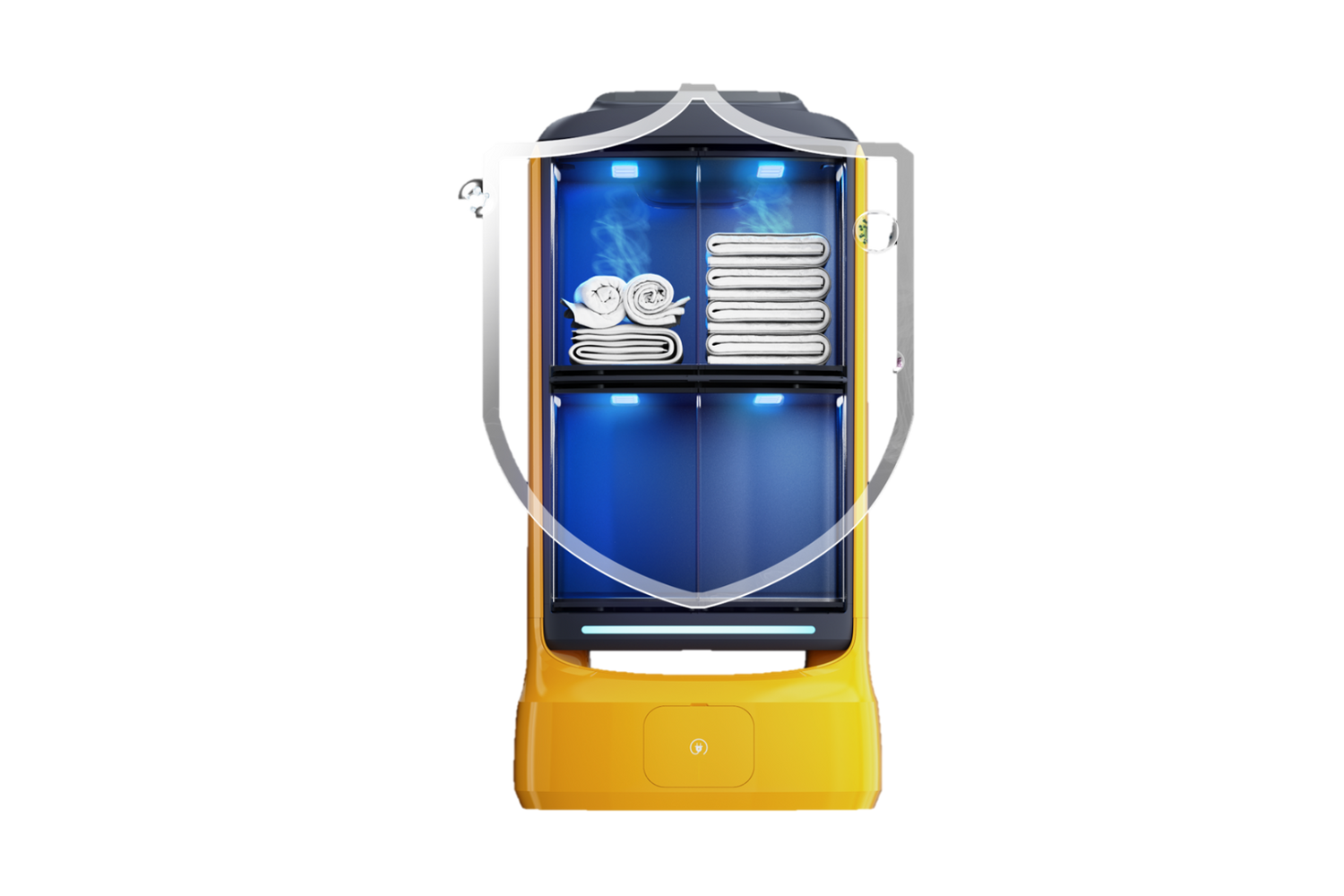
The handover is personal and occurs only after successful verification. Phone numbers or codes are used exclusively for the delivery process and can be deleted or anonymized in accordance with internal data protection guidelines. Since the compartments are closed, the delivery remains hygienic and discreet. Handles and touch surfaces can be disinfected quickly; interiors are cleaned dry. For sensitive areas, the system supports low-contact handovers, which facilitates hygiene protocols and daily compliance.
Robustness, Maintenance, and Service
The chassis design with individual wheel suspension compensates for small thresholds and floor unevenness, reducing wear and increasing lifespan. Maintenance-friendly flaps provide access to service points. Wear parts are modular, ensuring that replacement procedures remain brief. Service contracts cover remote diagnosis, spare parts availability, and periodic inspections. Operators thus benefit from predictable operating costs and high availability throughout the entire product lifecycle.
Economic Efficiency and Return on Experience
The investment pays off on two levels. First, the delivery robot reduces manual trips and relieves the team from standardized tasks. Second, the user experience improves because delivery times become predictable and inquiries are answered faster. In hotels, this impacts ratings and additional revenue; in clinics, it improves process quality between wards, laboratories, and administration; in office buildings, waiting times at service points decrease. Cloud data verifies performance and allows for an objective evaluation of return on investment and return on experience.
Differentiation from Previous Generations and Selection Criteria
Compared to older FlashBot variants, the Max generation highlights semi-outdoor navigation, modular compartment architecture with verified release, and the dual-path elevator integration. When selecting, it is recommended to review the elevator system, corridor widths, typical shipment sizes, and IT requirements. Where cloud APIs are available, implementation is particularly fast. In existing buildings without a digital interface, the hardware controller provides the necessary flexibility. For high-occupancy buildings, fleet planning that prioritizes elevator trips and clears congestion is recommended.
From Pilot to Scaling
The introduction ideally starts with a clearly defined pilot scenario. One building section, two to three core routes, defined service hours, and a target set of metrics are sufficient. After stabilization, this can be expanded to further floors with the integration of additional handover points. The training concept is lean, as user interfaces are self-explanatory and the handover process is standardized. For multi-property operators, a template map is recommended, which can be replicated to new locations and adjusted on-site. This creates consistent processes that are quickly understood and adopted by teams.
Conclusion for Decision Makers
The PUDU FlashBot Max is a mature solution for autonomous multi-floor delivery. VSLAM plus LiDAR, cloud or hardware elevator control, modular door compartments with access control, and a standardized notification and pickup process form a resilient platform for hotels, clinics, and office buildings. The combination of precise navigation, secure handover, fleet orchestration, and transparent cloud data leads to reliable service times and measurable efficiency gains. For those looking to modernize internal logistics, compensate for staff shortages, and increase service quality, the FlashBot Max offers a scalable floor-delivery robot with clear economic logic.